
T20 World Cup: 'Role models don't do this,' says Salman Ali Agha on India's handshake refusal at Asia Cup
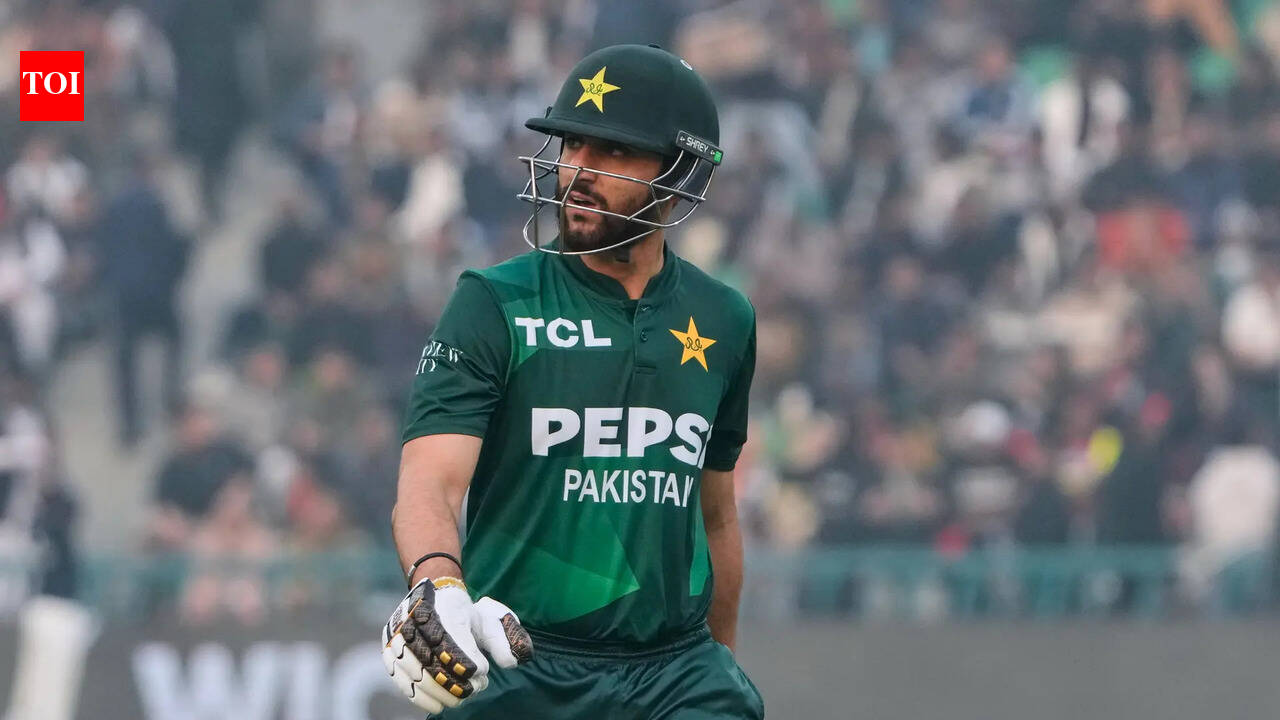
Pakistan's Salman Ali Agha walks off the field after his dismissal during the third T20 cricket match between Pakistan and Australia in Lahore. (AP)New Delhi: Ahead of the T20 World Cup which begins on February 7, Pakistan skipper Salman Ali Agha has criticised India for their decision to not shake hands with them during the Asia Cup last year. Going into the ICC tournament now, Pakistan government has announced that their national team will boycott the group stage contest against the Suryakumar Yadav-led side on February 15 in Colombo. Pakistan PM Shehbaz Sharif on Wednesday said the boycott was a way of showing solidarity with Bangladesh after they were removed from the World Cup. Bangladesh Cricket Board had refused to play in India due to security reasons and wanted their games moved to Sri Lanka but the ICC dismissed those concerns.T20 World Cup: 'Not good for the game' - Salman Ali Agha on India Asia Cup handshake row"We don't really feel hurt or anything like that. But, yeah, for the game is not good. I can say that with my chest open. For the game, these things obviously should not happen. And me, growing up as a kid, always have seen people doing what required for the game to be improved. And I think by doing that, we, to some extent, we are role models. We don't do that," said Salman on the eve of their T20 World Cup opener against the Netherlands. "Because if you do that, then kids are going to pick up this and tomorrow they are going to do the same things. So, I think these things should not happen. Because if you think role models, I think role models don't do this stuff," he added. During the Asia Cup in the UAE last year, India beat Pakistan in all three matches between the arch-rivals, including the final, but the contests were marred by controversy. In the group stage game in Dubai, the Indian cricket team walked off the field without the customary handshakes with their opponents. After the final, India refused to take the trophy from the PCB and current Asian Cricket Council chief Mohsin Naqvi. That standoff resulted in India yet to be reconciled with the silverware.There is no pressure at all because whenever you come to an ICC tournament, you have to win almost all of your games.Salman Ali Agha"I'm not just a Pakistan captain, I'm a cricket fan. If a kid is watching in India or Pakistan, we're not sending them a good message. People think of us as role models, but if we're behaving like this, we're not inspiring them. What happened shouldn't have happened, but you should ask the people (India) responsible for this rather than me," Agha had said at the time. With Pakistan tentatively not playing India in Group A of the T20 World Cup, they might have to win all three matches against the Netherlands, USA and Namibia to progress. Salman denied that this decision puts added pressure on them even though it means zero points and a significant blow to the net run rate. "We need to be cautious and bring our A-game," Agha said while admitting Pakistan have limited experience of the Netherlands and "don't know many" of their players. "We intend to unleash all our spin options because we feel they are vulnerable against quality spin." "No, there is no pressure at all because whenever you come to an ICC tournament, you have to win almost all of your games. And when we came here, we thought that we will win all the games and give our best in all the games. In the same way, we will try to give our best in the games that we play," said the Pakistan skipper. Pakistan come into the T20 World Cup on a high after beating Australia 3-0 at home. After the game against Netherlands on Saturday, they play USA (February 10), tentatively India (February 15) and Namibia (February 18).Get the latest ICC Men’s T20 World Cup 2026 updates, including the full schedule, teams, live scores, points table, and keyseries stats such as top run-scorers and wicket-takers.End of Article


Most Popular
)

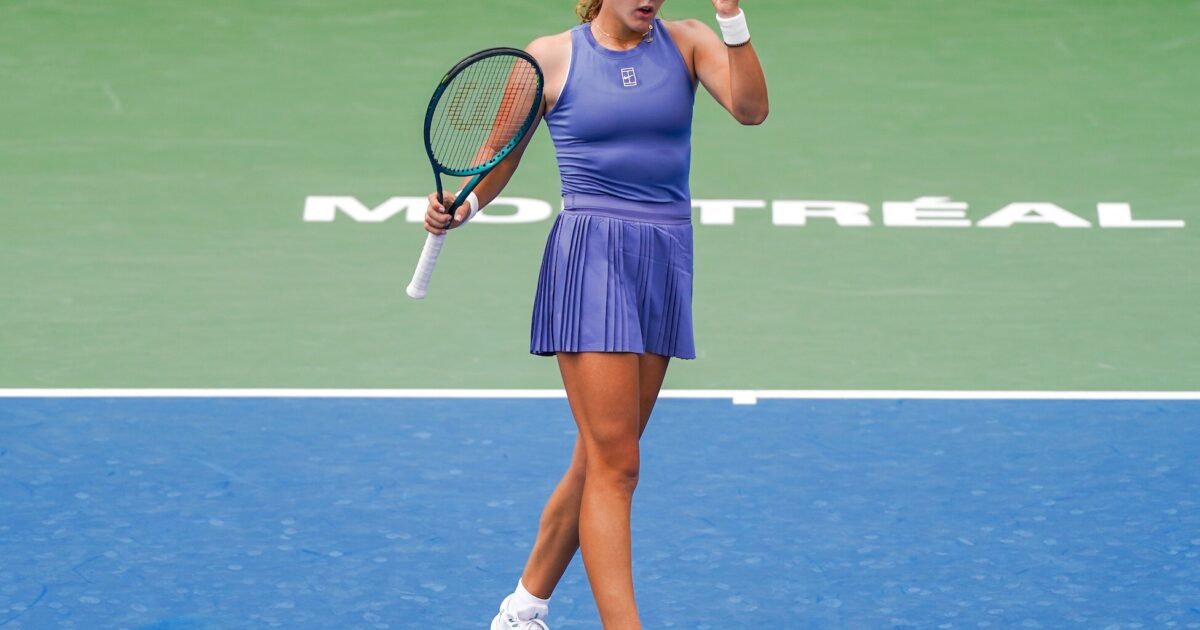
Andreeva, Mboko, and Jovic Lead WTA’s Teen Titans
11 hours ago