
India v Pakistan: How no handshake at the toss set the tone for a T20 World Cup game filled with tension

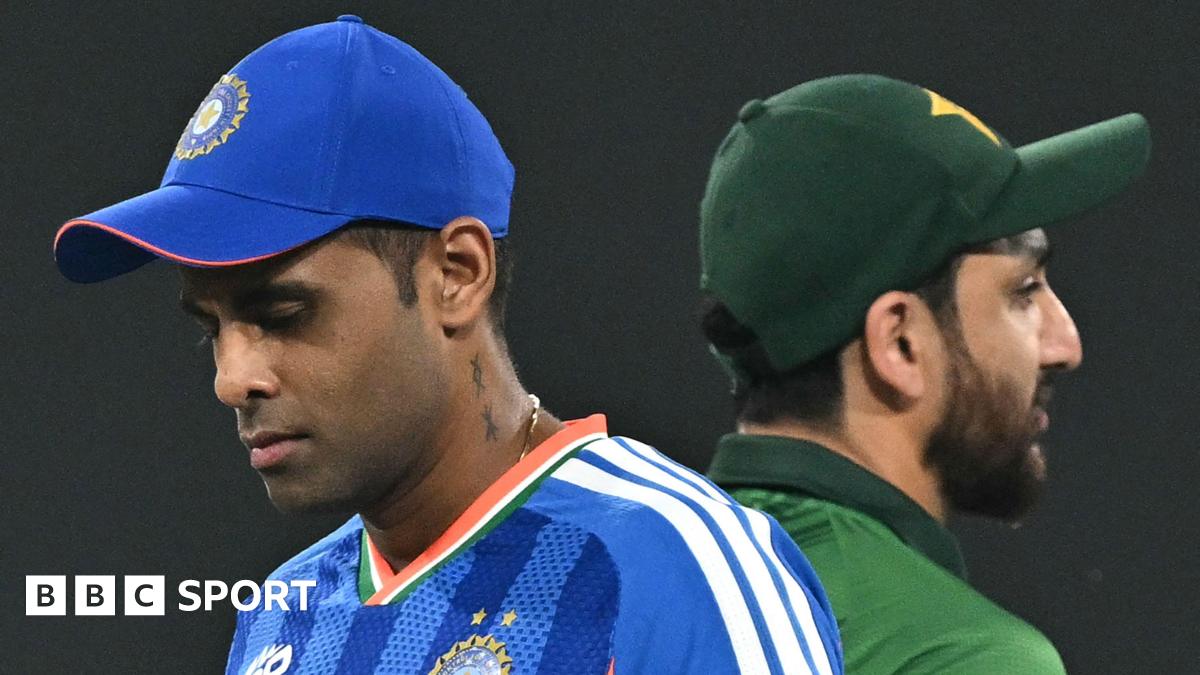
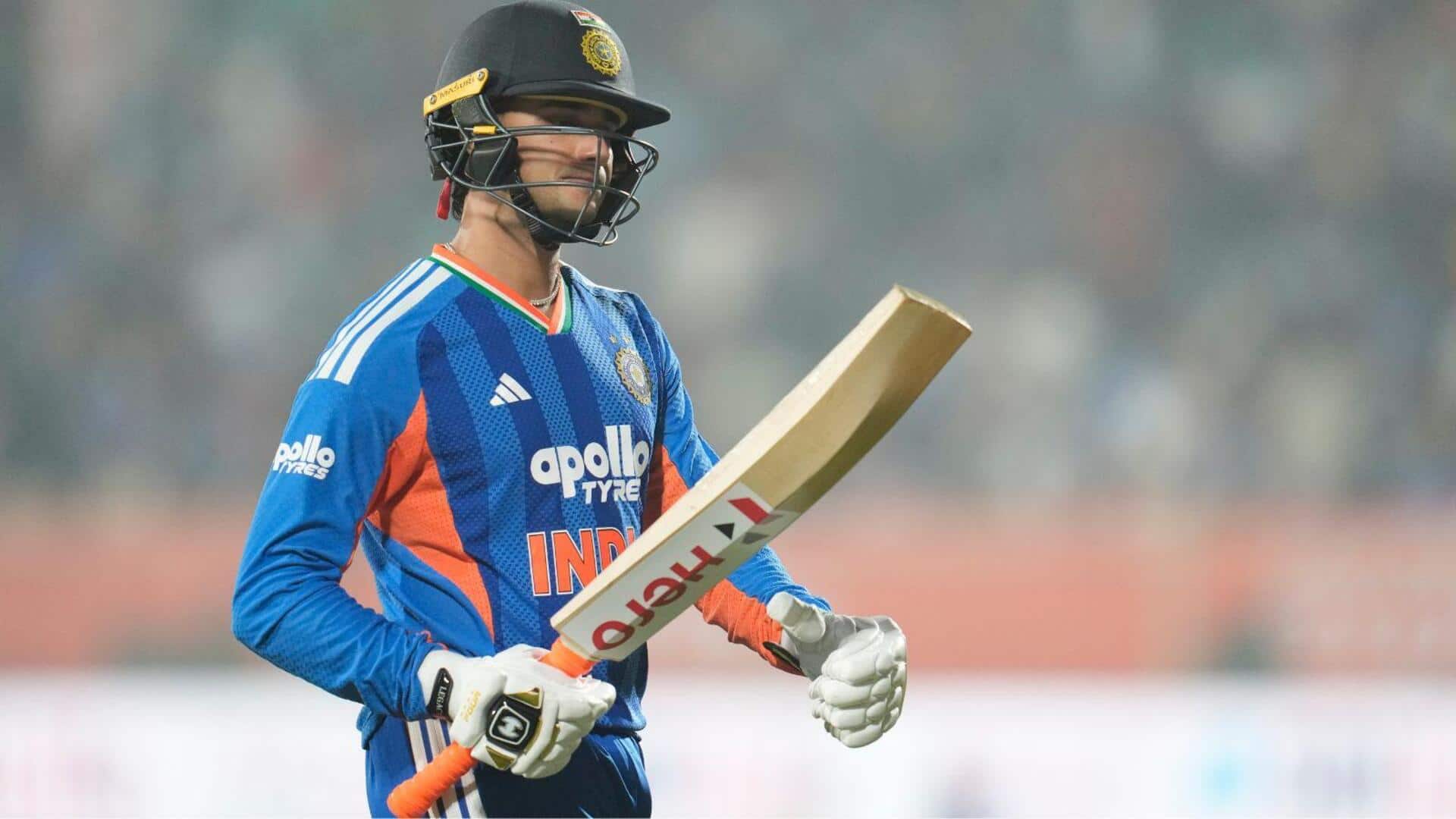
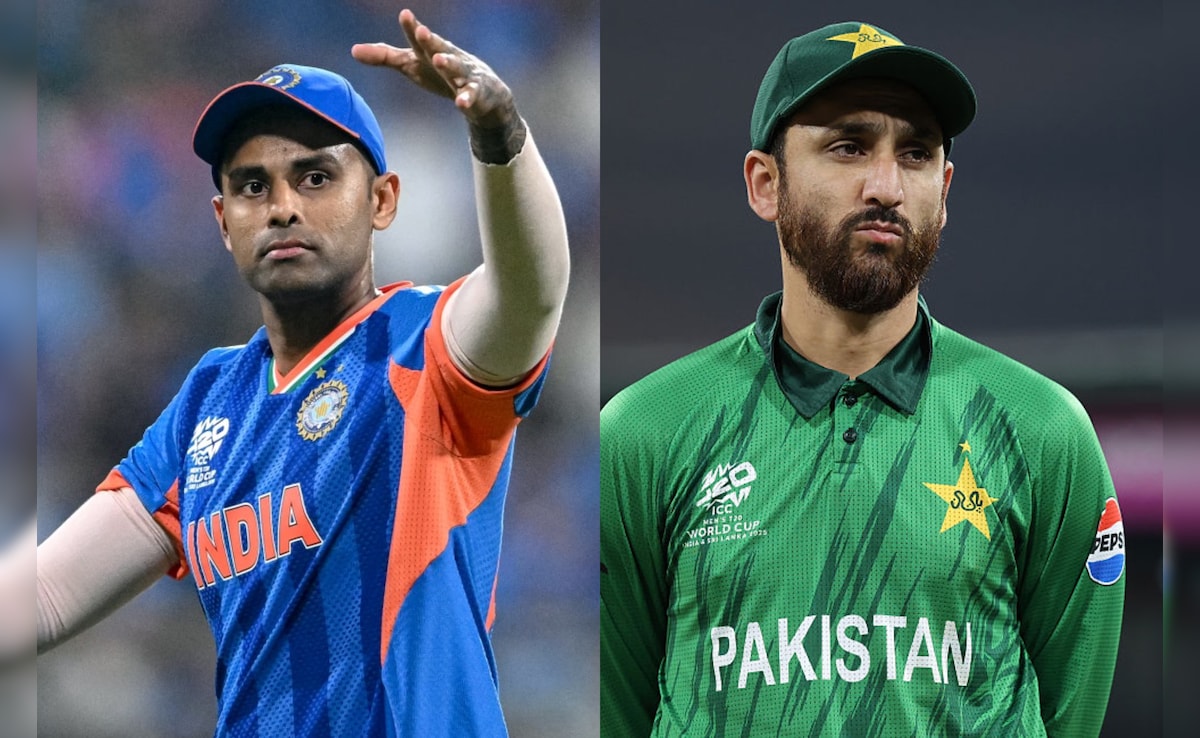
The public tension was clear from the start when captains Suryakumar Yadav and Salman Agha put as much distance between themselves as possible and avoided shaking hands at the toss.The private attitude was perhaps more accurately reflected when former captains Rohit Sharma of India and Pakistan’s Wasim Akram shook hands away from the cameras after escorting the T20 World Cup to the middle in a pre-game ceremony.But match 27 of the 10th edition of the World Cup of the short form of cricket was unlike any of the previous 26.It was the biggest game in world cricket but there was a slightly unreal and artificial feel about India’s demolition of Pakistan on the neutral soil of Colombo, Sri Lanka, on Sunday.The show was deemed to have to go on despite the Pakistan government originally telling their cricketers to boycott the match in solidarity with Bangladesh, who withdrew from the tournament when their request to play their games outside of India was refused.But while normal service between these great rivals was resumed with India’s 13th win in their last 17 T20 matches against Pakistan, this did not feel like a victory for cricket.Instead, it felt like Pakistan again being overwhelmed and acquiescing to their bigger, richer and far more powerful neighbours for financial rather than sporting reasons.India and Pakistan have not played each other in bilateral cricket for 18 years because of tensions between the countries following the 2008 attacks on Mumbai, which police said killed at least 101 people and injured 250.But their rivalry is increasingly integral to the financial health of cricket and they have been paired in the same group at every world tournament since 2012, with nobody in the cricketing community objecting to it.No wonder when this match alone was projected to be worth $250million (£183.6m) to the world game and JioStar are said to be considering renegotiating a broadcasting deal with the sport’s governing body which is worth $3billion. Or when you consider that an estimated 325million people worldwide were watching India’s 61-run victory to guarantee their place in the Super Eights. To put that in context, the record TV audience for the Super Bowl stands at 127.7million.It was the pleading of a wider cricketing world concerned about the financial implications that persuaded Pakistan to fulfil this fixture and, for the sake of the integrity of the World Cup and the interests of cricket, it was the correct decision.But the players, particularly those in Pakistan colours, never looked comfortable. And the somewhat enforced tension between players who are said to get on just fine off the field led to condemnation from former players and pundits.“This no shaking hands is such a silly thing that India has started,” said former India batter Sanjay Manjrekar on X. “It’s unbecoming of a nation like ours. Either play properly within the spirit of the game or don’t play at all.”Indian commentator Harsha Bhogle went further in a video posted on the same social media platform, saying before the match: “I’m not excited about this India v Pakistan game. This time I fear our beloved sport is being held hostage to larger economic and political ends.“It’s become an arrow to be fired for political gamesmanship. There are geopolitical concerns and points to be won here and there. As always they’re adjusting the draw and people are making war-like gestures. I don’t think we enjoy this game anymore. We exploit it. And that is the reality of India against Pakistan.”At the Asia Cup in the United Arab Emirates last year, the Indian government instructed their players not to shake hands with Pakistan after a terrorist attack in India-administered Kashmir. “India’s approach to sports events involving Pakistan reflects its overall policy in dealing with that country,” the Ministry of Sports and Youth Affairs said in a statement in August.Things went further when India’s players refused to accept the trophy because it was being presented by Pakistan Cricket Board chairman Mohsin Naqvi. For the first time in cricket history, a winning team returned home without a trophy.But the political landscape does not appear to be in tune with the sport’s fans and observers. There was no segregation at the R Premadasa Stadium on Sunday and spectators in a largely India-supporting crowd appeared to be mixing amicably.In the commentary box, pundits like Pakistan’s Akram and Ramiz Raja remained on friendly terms with the likes of India’s Ravi Shastri and Sunil Gavaskar. The handshake between Rohit and Wasim looked warm and genuine.It was just a shame that the unique circumstances of the occasion were not reflected by TV experts of either side, as it was treated very much like any other game of cricket. The frostiness at the toss was not even mentioned, with cameras instead focusing on match referee Richie Richardson as he hurried after the coin to find out who had won it.The game itself was as one-sided as so many have been between these teams ever since India narrowly defeated Pakistan in the first T20 World Cup final in 2007 and cricket was changed forever with the introduction of the IPL and a booming Indian economy.Pakistan won that toss on Sunday but India piled up 175-7 with Ishan Kishan smashing 77 off 40 balls off Pakistan’s array of spinners.It was always going to be enough once Pakistan had crashed to 13 for three in reply and they duly limped to 114 all out. They will still reach the next round as long as they beat Namibia in their final group match.Former England captain Michael Vaughan summed up the mood when he said in a post on X: “India seem to intimidate Pakistan on the cricket field. They are so much better in all facets of the game and such a better mentality of coping with the huge occasion.”Only when Zimbabwean commentator Pommie Mbangwa asked Agha afterwards if Pakistan had been adversely affected by this game did anyone reflect the magnitude of the day.“In these kind of games, the emotions will always be high. We just needed to deal with it,” said Agha at the post-match presentation. “We have played enough in these types of games. We have another game in a couple of days and we need to win it to qualify. Then it is a new tournament.”Suryakumar was more triumphant after India’s biggest win against Pakistan in this format, saying: “This is for India.”Perhaps so but, in truth, nothing that happened in the Sri Lankan capital reflected that well on India, Pakistan or the game in general.There was nothing really to see here.


Most Popular

1 West Brom (Feb 14, 2026) Game Analysis
21 hours ago