
The Turning Point in India's T20 World Cup Triumph

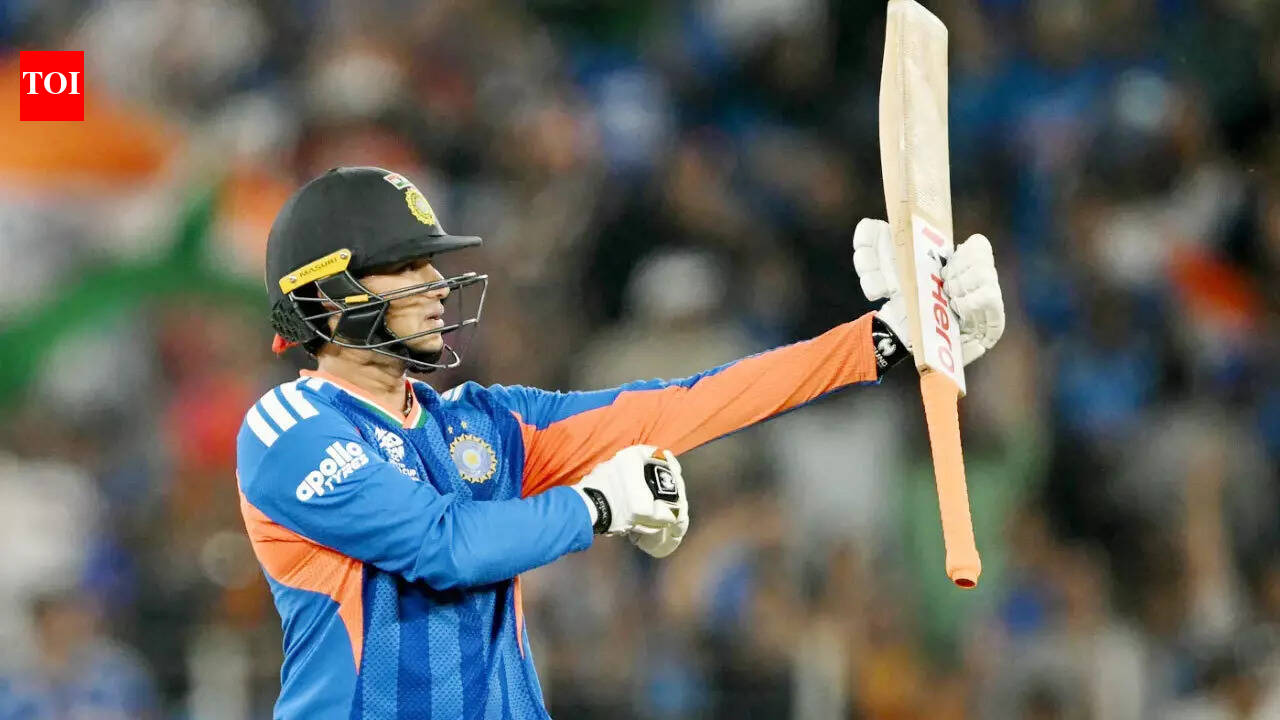
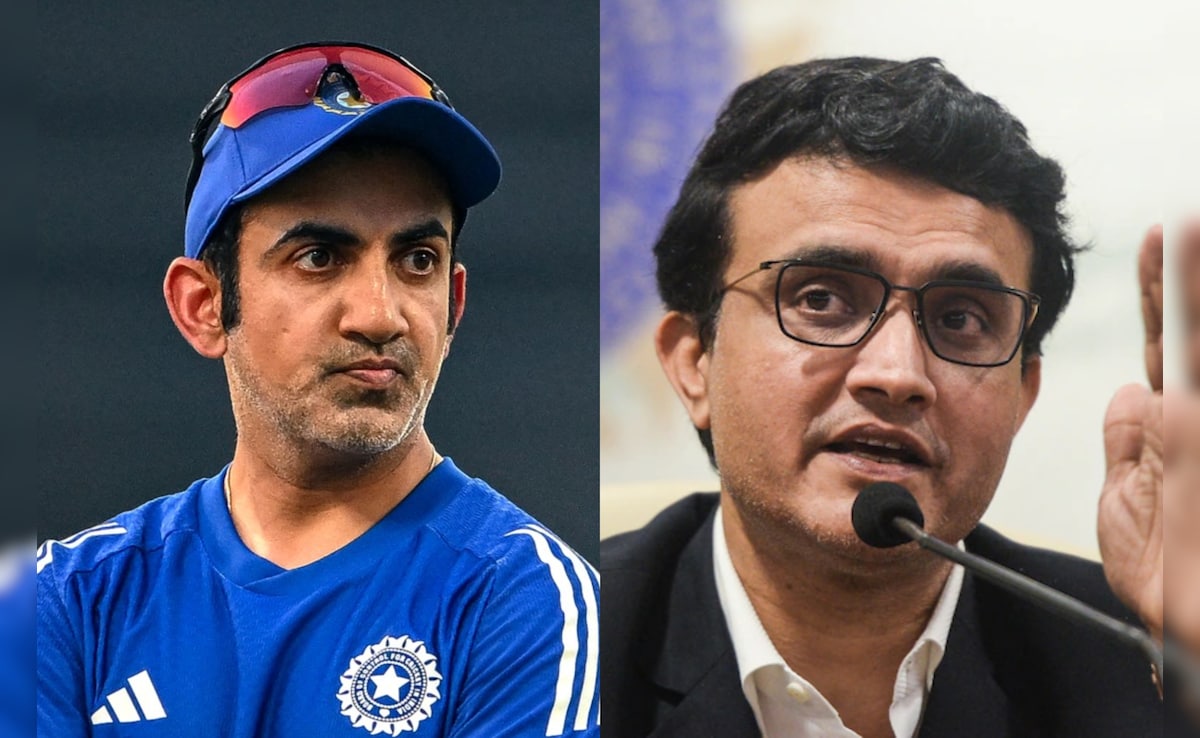
Speaking on JioStar’s Follow the Blues show, Gambhir said Samson’s unbeaten 97 in what he described as a “virtual quarter-final” gave the team crucial belief at a decisive stage of the tournament.“It’s difficult to pick one moment, but I still believe Sanju’s 97 against West Indies was the turning point of the campaign,” Gambhir said. “He was making a comeback after missing four or five matches before the Zimbabwe game. Chasing 195 in a virtual quarter-final in a World Cup match is never easy, regardless of the venue.”“With the calmness he showed while batting, it gave the group a lot of confidence that we were on the right track. Before that there was a lot of talk about us playing aggressively in bilateral series but not delivering in ICC tournaments. After the West Indies game, when Sanju got going and the way Ishan Kishan batted at No 3, things really started falling into place,” he said.Samson carried that form through the knockout stages. After the unbeaten 97 against West Indies, he struck 89 against England in the semi-final and another 89 against New Zealand in the final, dazzling fans with his clean hitting and silencing critics.Gambhir also explained why the team management continued to back opener Abhishek Sharma despite a modest run before the final. The left-hander had scored just 89 runs in seven innings heading into the title clash but delivered when it mattered most.In the final against New Zealand, Abhishek smashed the fastest half-century of the tournament, reaching his fifty in just 18 balls before finishing with 52 off 21 deliveries, including six fours and three sixes. His knock laid the foundation for India’s imposing 255/5 in 20 overs, after which New Zealand were bowled out for 159 in 19 overs.Stay updated: Get the latest faster by downloading the Gulf News app - it's completely free. Click here for Apple or here for Android. You can also find it us on the Huawei AppGallery.“You pick players based on trust and faith, not hope,” Gambhir said. “If you trust someone, you can’t take that trust away after four or five matches. Whether it’s Abhishek or any of the 15 players in the dressing room, we believe they will deliver when given the opportunity. The most important thing for this team was always putting the team ahead of individuals.”The coach emphasised that team success should take precedence over personal milestones. “For too long in Indian cricket we’ve talked about milestones. I hope while I’m here we stop doing that,” Gambhir said after the final. “Look at the last three games — Sanju scored 97 not out, then 89 and 89. If he had been thinking about personal milestones, maybe we wouldn’t have reached 250. Celebrate trophies, not milestones. The purpose of a team sport is to win titles.”Gambhir also dismissed rumours suggesting tensions within the squad following India’s title triumph. “My philosophy is simple — if the majority of the team is unhappy with me, there’s no point in me being in that dressing room. If the majority is happy, it means I’m doing my job right,” he said in an interview with India Today.He insisted the team environment remained positive despite speculation. “It’s all rubbish when people say the team atmosphere isn’t good. Neither the captain nor I need to explain it. Anyone who follows the team closely — from travel to practice sessions to interviews — will know the environment in the side.”Gambhir dedicated the World Cup victory to three former colleagues who he believes helped build the foundation for the team’s success: former head coach Rahul Dravid, current head of the BCCI’s Centre of Excellence VVS Laxman, and chief selector Ajit Agarkar.“Because of what Rahul bhai did to keep Indian cricket in such good shape, I have to thank him for everything during his tenure. VVS Laxman has also done so much behind the scenes, especially through the Centre of Excellence, which remains the pipeline for Indian cricket. And Ajit Agarkar deserves credit too — he takes a lot of flak but works with great honesty,” Gambhir said.“At the start we had Rinku Singh batting down the order and Sanju wasn’t in the XI. Later we left out Rinku, pushed Tilak Varma down and brought Sanju in as an opener — and that became our winning combination,” Gambhir explained.“That’s the advantage of the depth we have. We could have played multiple combinations — two wrist spinners, batting till No. 8, different opening options. It’s not just about inheriting a team but creating something of your own.”“I wanted this team to play a completely different brand of cricket — one that consistently outscores and outbowls opponents, and a group that plays without fear of losing,” he said.

Most Popular