Aryna Sabalenka’s war of words reveals the toll of tennis’s nonstop grind
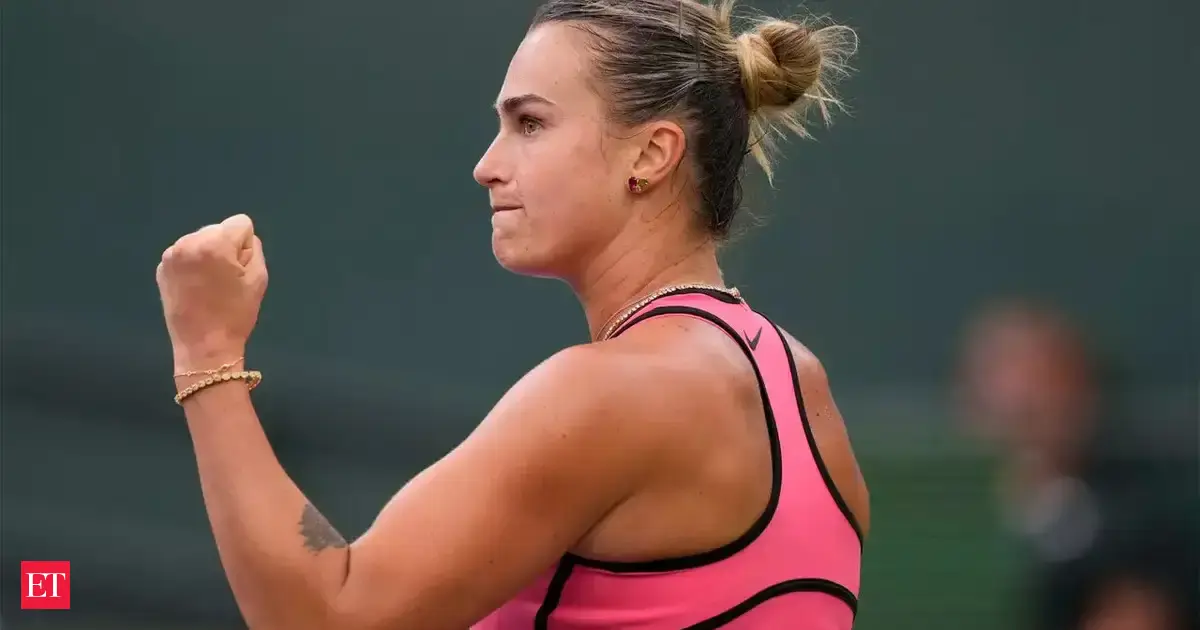
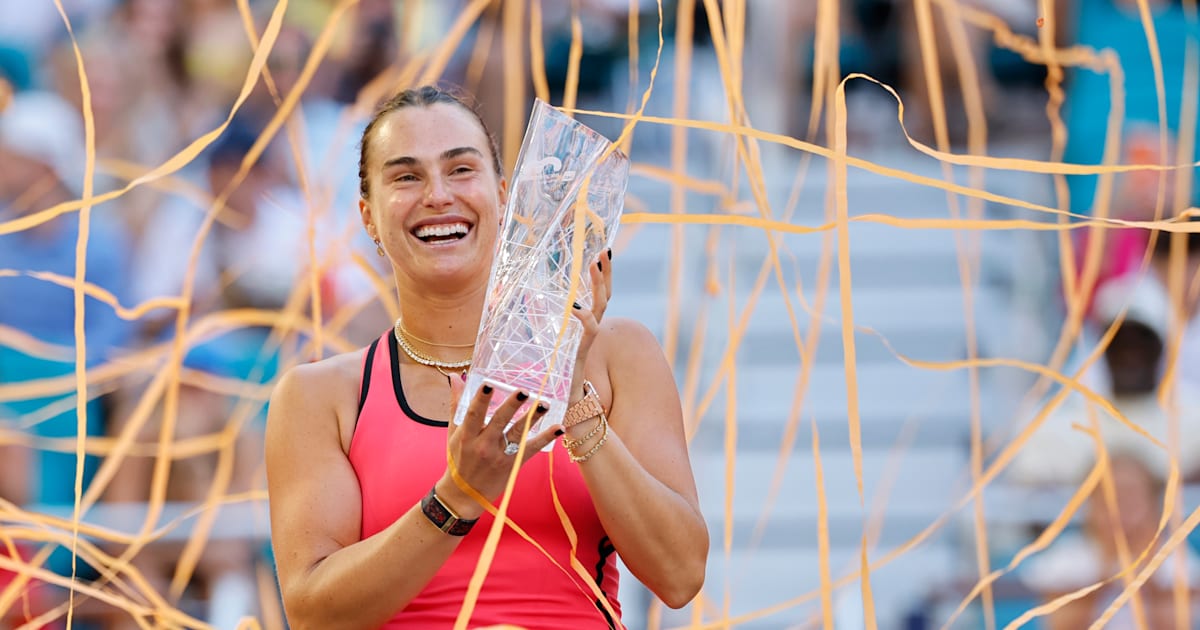
SynopsisWorld Number One Aryna Sabalenka clashed with Dubai Tournament Director Salah Tahlak over player welfare and the demanding tennis calendar. Sabalenka criticized Tahlak's call for harsher penalties on withdrawals, highlighting the relentless grind and lack of player protection. This dispute underscores the ongoing tension between player well-being and the sport's packed schedule.When she is on court, Aryna Sabalenka can pack a punch. In recent days, a ferocity similar to her groundstrokes was felt off court when the World Number One countered comments made by the tournament Director of the Dubai Tennis Championships, Salah Tahlak.Incensed at Tahlak’s call for harsher penalties on players for pulling out of marquee events after Sabalenka’s late withdrawal from Dubai, her response minced no words. “I don’t think he showed himself in the best way possible,” Sabalenka fumed.“For me it’s actually so sad to see that the tournament directors and the tournaments not protecting us as players. They just care about their (sales), about their tournament and that’s it. His comment was ridiculous. I’m not sure if I ever want to go there after his comment.”Sabalenka versus Salah is just the latest installment of an all too familiar squabble that has consumed tennis for years - a packed calendar that imposes a relentless grind on the players. Starting in January and rolling into late November, the circuit is a brutal treadmill. Under the rules of the Women’s Tennis Association (WTA), top players such as Sabalenka are required to compete in all four Grand Slams, 10 WTA 1000 tournaments and six WTA 500 events. If they do not, punishments ranging from ranking points penalties to fines are imposed.After a bruising Australian Open, where she lost a three-set final, Sabalenka was scheduled to return to action within two weeks in Dubai. A hip injury did not heal adequately, forcing Sabalenka out and sparking the verbal sparring with Tahlak. Sabalenka’s outburst though has played out multiple times in the past, from both women’s and men’s players. Multiple major winner Iga Swiatek, who also pulled out of Dubai, has described the calendar as “overwhelming” and “crazy”, insisting that the pressure to play over 20 tournaments a year is unsustainable.Live EventsMen’s World No1 Carlos Alcaraz has been a vocal critic too, joking a couple of years ago that the schedule is “going to kill us in some way. “Sometimes I didn’t feel motivated at all,” the Spaniard explained. “As I said many times, you know, the calendar is so tight, a lot of tournaments, no days off or not as many days off as I want.” The drawbacks of this non-stop calendar are well understood. Players often compete through niggling injuries, which can cause concerns that are more serious at the end of the season.Fans can end up being served up diluted quality of action, with fatigued players operating well below their potential, simply due to a lack of energy. Constant travel across continents and time zones leads to mental fatigue and burnout, with some big stars considering pulling the plug on their careers a lot earlier.So, what then could be the potential solutions to this conundrum? The Professional Tennis Players Association (PTPA), an independent not for profit organisation that included Novak Djokovic as one of its founders, recently suggested a roadmap. The PTPA proposed a “Pinnacle Tour”, that imagines a streamlined elite circuit limited to just 16 marquee, co-ed events per year. The top-100 players would participate in a fixed number of highstakes tournaments, allowing them guaranteed “blackout” periods for rest and off-season training.The PTPA has also advocated reforming the rankings system by removing the requirement to mandatorily participate in a certain number of events, ensuring matches do not begin beyond a certain time as is often the case at marquee events, and providing a minimum financial guarantee of one million dollars to the top-100 players.With the PTPA at loggerheads with the established tennis order it is unlikely that these, or similar, proposals will see light of day anytime soon. However, it is quite clear that marquee players such as Sabalenka are increasingly determined to prioritise their personal welfare, even as they navigate the demands of the circuit. Away from raging on-court battles, expect more headline space to be consumed by these off-court jousts in the days ahead.(You can now subscribe to our Economic Times WhatsApp channel)(Disclaimer: The opinions expressed in this column are that of the writer. The facts and opinions expressed here do not reflect the views of www.economictimes.com.)AI is reshaping lending, and why it’s bad news for traditional banksAs countries trade gold for guns, can Indian defence stocks be quiet winners?Prashant Jain’s contrarian masterstroke: From IT exit to SBI super betAI puts India’s USD190-billion services trade surplus at a crossroadsWhy gold volume is plunging in GIFT City when prices soarThese large- and mid-cap stocks with ‘Strong Buy’ & ‘Buy’ recos can rally over 26%, according to analysts123

Most Popular