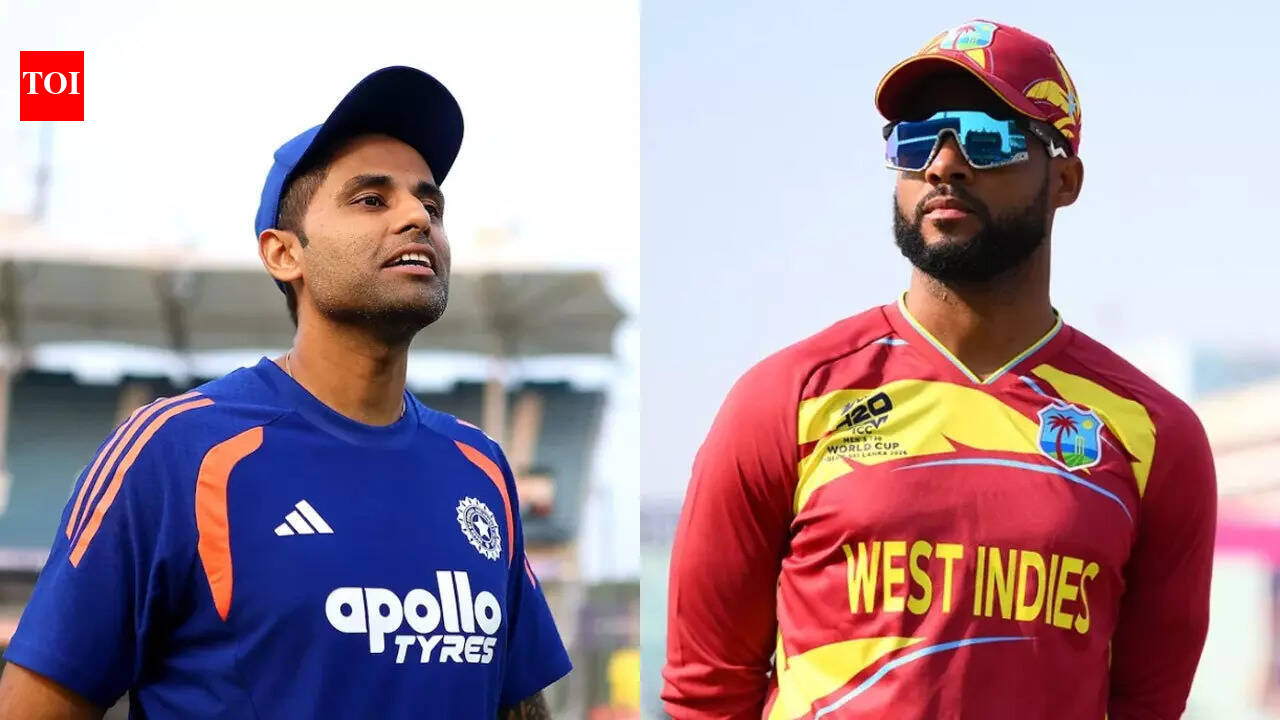
Their turf, their conditions: Litchfield, Voll reiterate Australia’s ODI dominance as India’s timid batting proves their undoing
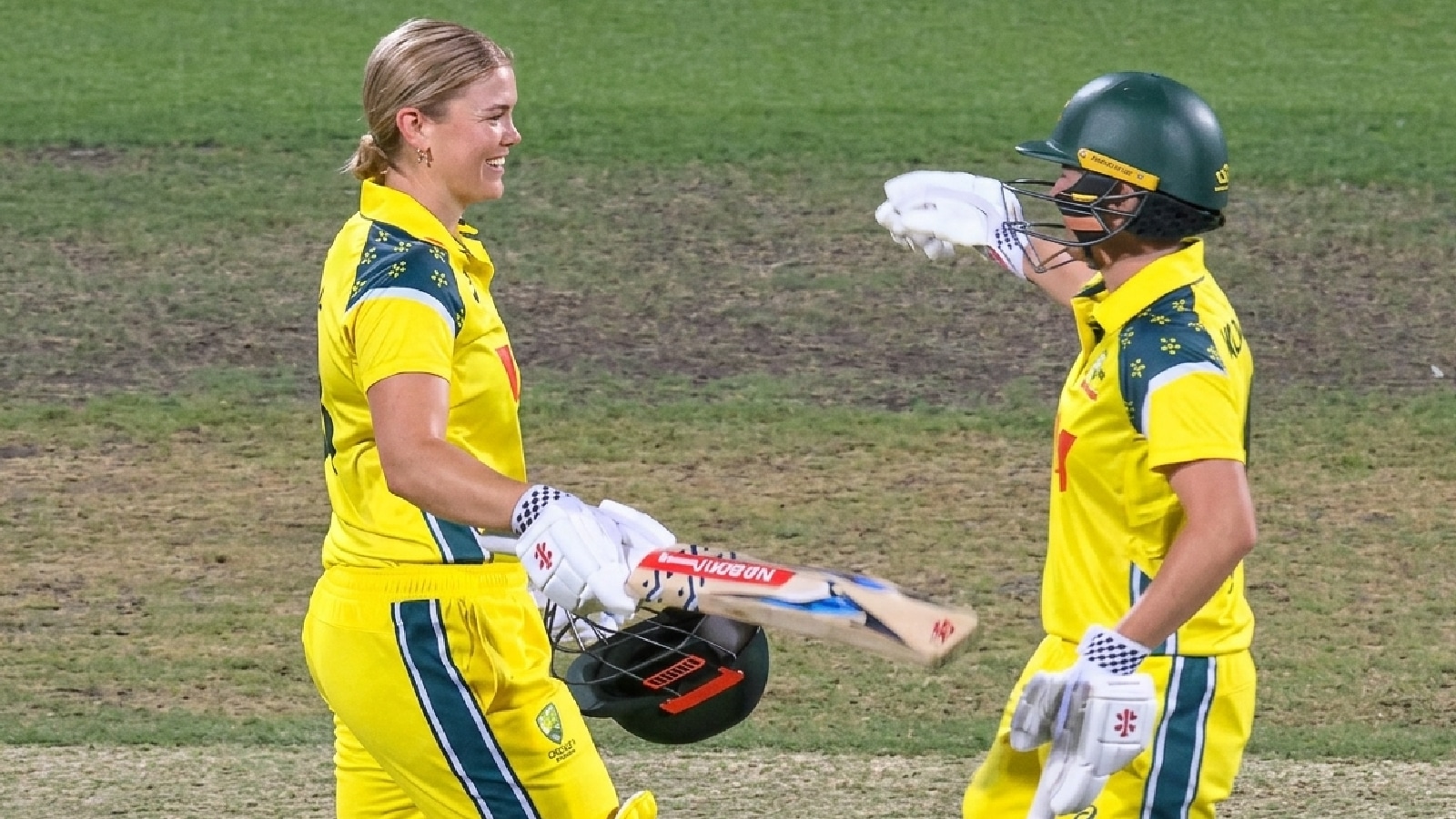
Rawal, on the other hand, was off to a decent enough start with three elegant early boundaries through the off-side. But from 15 off 18 balls, the right-hander scored just 37 off the next 63 balls she faced. Her 81-ball 52 was a welcome return to runs after the nasty injury she suffered before the World Cup semifinal, but it once more illustrated the areas she has to improve in her technically correct game. The ability to keep the scoreboard ticking is a key part of modern ODI batting, and it couldn’t have been starker in contrast to how Australia’s two young superstars went about their business later in the day.Even with the concession of batting perhaps getting easier under the lights, Phoebe Litchfield and Georgia Voll – two generational Australian talents – put India’s bowling to the sword with a clinical ease. After Healy fell early, Litchfield took the attack to Indian bowlers, especially Kranti Gaud. The left-handed opener hit three consecutive fours in the sixth over, all three were essentially pull shots, but she showed extraordinary technical mastery to place the ball behind square-leg, through square-leg, and finally, past mid-wicket. While Voll had the best seat in the house for Litchfield’s early fireworks, she moved through the gears and smashed an 82-ball 101. The right-hander rode her luck, as India were generous with their catching, but the stroke-making was of the highest quality, targeting the arc between long on and midwicket.Their stand of 119 off 94 balls wasn’t about blind slogging or high-risk cricket; they used their feet to stay busy in the crease and constantly looked for gaps to exploit. With the obvious advantage of knowing the conditions better, Australia’s approach to the run-chase was utterly clinical as no Indian bowler could exert control. That India managed to reach 251/9 in their 50 overs was due to a gritty half century by Harmanpreet and lower-order cameos but Australia romping home with 83 balls to spare showed how inadequate the visitors’ batting had been.Healy had acknowledged that the 1-2 reversal for Australia in the T20Is – their first such in bilaterals at home since 2017 – was a result of India playing with confidence, on the back of winning that elusive major trophy at the end of last year. “They’ve got a big trophy in their cabinet that they’re really proud of and have got every right to come out here and play the way that they have,” Healy had said before the first ODI in Brisbane. “It’s now a challenge for us to bounce back and throw the next punch in this format and say that this is our turf, these are our conditions, and this is the way that we play this ODI format.”Their turf. Their conditions. Their style of dominating ODIs at home. After all, Australia have not lost an ODI series at home since 1987, when none of the players in either squad was even born. And that has been evident in the way they have played in these two matches. They are, simply, the best in the business.Story continues below this ad


Most Popular


Mustangs Come Up Short Against No. 20 Duke
17 hours ago