
How Babar Azam Led To Pakistan's 1st Big Resignation After T20 World Fiasco
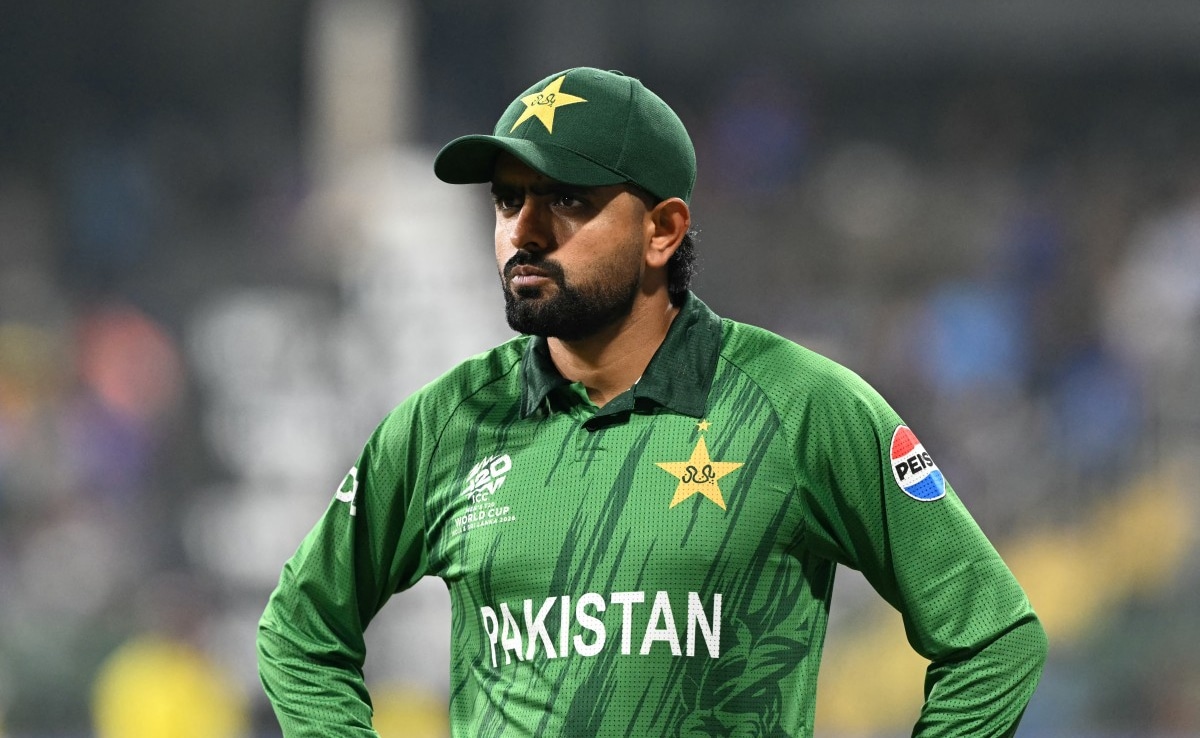
The fallout from Pakistan's disappointing campaign in the ICC T20 World Cup 2026 claimed its first major casualty on Tuesday, when Aleem Dar, the legendary former elite-panel umpire, reportedly tendered his resignation from the national selection committee. Dar, who joined the Pakistan Cricket Board (PCB) as a selector in 2024, cited deep-seated frustrations over the committee's internal dynamics as the primary reason behind his decision. According to him, the situation had undermined the selection panel's autonomy.Dar's exit comes on the heels of a tournament in which Pakistan failed to progress beyond the Super Eight stage, suffering a high-profile defeat to India and a critical loss to England. Although the PCB has already imposed financial penalties on players for their underwhelming performances, Dar's resignation indicates that the issues within Pakistan cricket extend far beyond on-field failures.What Led to Aleem Dar's Resignation?According to reports in Pakistani media, Dar's main grievance revolved around the final composition of the World Cup squad. He is said to have strongly opposed the inclusion of senior players Babar Azam and Shadab Khan, arguing that their recent performances did not merit selection.Dar had reportedly pushed for a more merit-based approach, recommending that veteran wicketkeeper-batter Mohammad Rizwan be given a defined role at number six instead of including inconsistent performers. However, his suggestions were allegedly dismissed, leading to the inclusion of Babar and Shadab, both widely criticised for their below-par displays during the tournament.Another major source of frustration was the "extraordinary interference" Dar believed came from head coach Mike Hesson. Reports suggest that Dar felt increasingly sidelined as Hesson exercised significant influence over final selection decisions, often with the support of fellow selector Aaqib Javed."Aleem was very upset that when the World Cup squad was being selected, he had resisted the inclusion of certain players without performance backing, but the coach insisted on having them," one report stated.Dar was also reportedly surprised that neither Pakistan captain Salman Ali Agha nor any other committee members challenged this hierarchy. This sense of isolation, combined with the absence of robust, independent discussions within the panel, led the 57-year-old to believe his contributions were being undervalued, making his continued presence untenable.With the committee now reduced to Aaqib Javed, Asad Shafiq, and data analyst Usman Hashmi, the PCB faces the pressing challenge of overhauling its selection structure. As the board prepares for the next international cycle, Dar's resignation stands as a stark reminder of the internal rifts that continue to plague Pakistan's cricketing administration.

Most Popular


Jarrod Kimber Calls Out Pakistan Cricket Board
7 hours ago

Sabalenka backs 'best-of-five' Slam proposal
8 hours ago