
On the brink of collapse… Record losses and a player revolt spell doom for Chelsea’s project

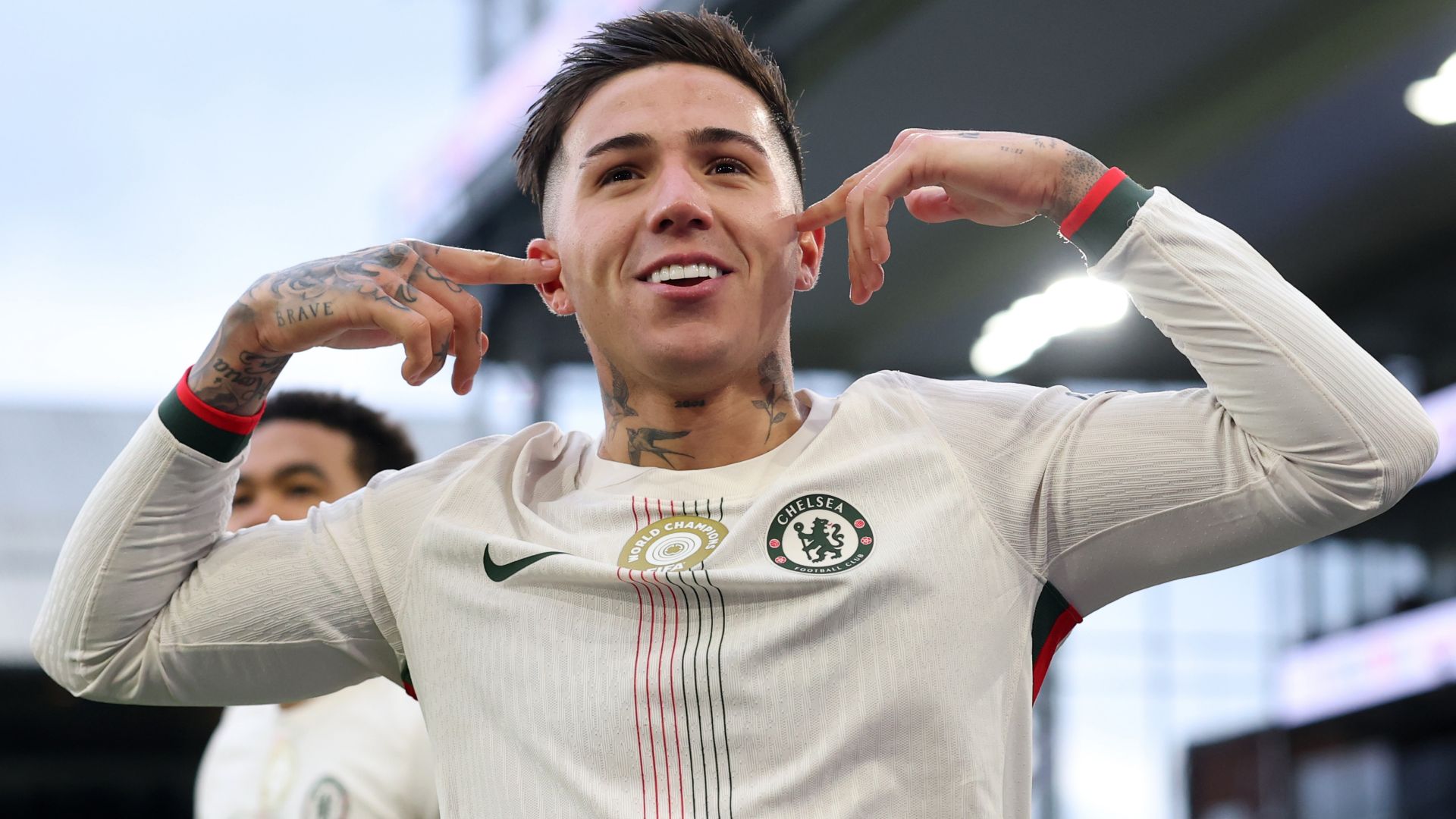
Todd Boehly’s venture with Chelsea began in May 2022, following the takeover of the club by his investment consortium ‘BlueCo’ in a record-breaking deal worth around £4.25 billion, bringing to an end Roman Abramovich’s era, which had lasted for nearly two decades.The project began under exceptional circumstances, with Abramovich forced to sell the club due to sanctions linked to the war in Ukraine, presenting the new management with a dual challenge: to restore the club’s financial stability whilst simultaneously building a new sporting vision almost from scratch.From day one, Boily and his partners announced that the project would be a long-term one, based on comprehensive restructuring, including investment in infrastructure such as the development of Stamford Bridge, strengthening the academy, and building a modern sporting system based on data and strategic planning.The primary objective was to shift from the ‘quick success’ model that characterised the previous era to a sustainable investment model, based on signing young players on long-term contracts and building a team for the future, alongside establishing a network of multiple clubs around the world, which later manifested in the attempt to establish a multi-club project following the acquisition of Strasbourg.Since the project began in 2022, the 2022–2023 season has been a disaster on every level, with the team starting under Thomas Tuchel before his swift dismissal, followed by Graham Potter and then Frank Lampard on an interim basis, The team finished the league outside the European places (12th) and were knocked out of the Champions League at the quarter-final stage, a start that reflected the chaos of the project more than anything else.In the 2023–2024 season, Mauricio Pochettino took charge in an attempt to restore stability, and there was a relative improvement in performance, with the team finishing the season in a mid-table position (6th), but they failed to qualify for the Champions League, and the absence of major trophies continued, leaving doubts about the viability of the project.The real turning point came in the 2024–2025 season with the appointment of Enzo Maresca, who led the team to one of its best seasons under Bouley; they finished the league in fourth place and qualified for the Champions League, and won the European Conference League title, before also claiming the Club World Cup in 2025 after defeating European champions Paris Saint-Germain in the final, giving the impression that the project was beginning to bear fruit.However, in the current 2025–2026 season, everything has fallen apart once again; the team began the season under Maresca before he was sacked in January 2026 following a run of poor results, with Liam Rossini taking over, The team then suffered a humiliating exit from the Champions League round of 16 following heavy defeats to Paris Saint-Germain, and currently sit low down the table (sixth), with a real struggle to make the top four.In the meantime, the constant succession of managers – from Tuchel to Potter, Lampard, Pochettino, Maresca and finally Rossiniore – reflects a lack of any real technical stability, which is considered one of the main reasons for the project’s decline, despite the temporary successes achieved at certain times.Amid Chelsea’s sharp decline, the crisis is no longer confined to results alone, but has spread to the dressing room, where comments from some of the star players have begun to reflect a sense of anxiety and dissatisfaction, and have even openly raised the possibility of departures in the near future.It began with the Argentine Enzo Fernández, who sparked controversy with comments hinting at his future, stating that he “doesn’t know what might happen in football” and that he is “open to all possibilities”, and that he would decide his future after the World Cup – a remark many interpreted as a prelude to a potential departure, particularly given the interest shown by major clubs in signing him, chief among them Real Madrid.As for the Spaniard Marc Cucurella, he was more explicit, expressing his concern about the team’s current situation and noting that the project “needs a review”, and that the players want to compete for titles. This was seen as an indirect message to the club’s management, reflecting his dissatisfaction with the situation and opening the door to his departure should the decline continue. He also hinted at the possibility of a return to his former club, Barcelona.As for the Englishman Cole Palmer, although he has not made any direct statements asking to leave, numerous media reports have indicated that he is frustrated by the team’s inconsistent form and that he is monitoring the situation closely before making his final decision, particularly given the interest from major clubs in signing him.These statements, whether direct or indirect, clearly reflect the level of tension within the team and confirm that Boelli’s project is no longer merely facing a crisis of results, but also the risk of losing its key players, which could accelerate the project’s collapse if not addressed swiftly.In a serious development that reflects the depth of the crisis, Chelsea announced in an official statement issued yesterday that it had recorded a record loss of £262.4 million (approximately $350 million) during the 2024–2025 financial season, the largest in the history of the English Premier League.The club explained in its statement that these losses occurred despite revenues reaching £490.9 million, one of the highest figures in the club’s history.The statement explicitly highlighted the cause of these losses, stating: “Operating costs rose significantly, driven primarily by increased match-day expenses resulting from the return to European competition,” in a clear reference to the disparity between expenditure and revenue.The club also confirmed that these results follow a previous season in which it made a profit of £128.4 million, highlighting the scale of the significant financial downturn in just one year, despite benefiting from revenue from participation and winning the Club World Cup.Despite the scale of the losses, the statement emphasised that the club remains committed to the Premier League’s profitability and sustainability rules, which allow for losses of up to £105 million over three years, with exceptions for certain items such as investment in infrastructure and the development of young players.Read also: Chelsea suffers the biggest financial loss in Premier League historyAgainst this turbulent backdrop, the first step towards rescuing Chelsea’s project appears to be resolving the managerial situation decisively by appointing a top-class manager with experience of managing top-flight teams and handling pressure, rather than continuing to experiment.Although reports suggest the board intends to stick with Rossini until the end of next season regardless of results, the reality is that a rethink will be necessary if the decline continues, as the project simply needs a strong figure capable of imposing a clear identity.The transfer market is no less important, as experience has shown that relying almost entirely on young players has not achieved the required balance within the team, despite having standout players such as Enzo Fernández, Cole Palmer and Moises Caicedo. However, the team needs quality signings of experienced players who are capable of shouldering responsibility in difficult moments and leading the squad both on and off the pitch.Saving the project also requires a genuine technical overhaul, starting with reducing the number of random signings and focusing on specific needs, whilst building a clear backbone for the team, rather than the constant rotation that has robbed the team of stability. Furthermore, a balanced mix of youth and experience will be a decisive factor in restoring competitiveness.Ultimately, Todd Boehly’s project remains salvageable, but it requires bold and swift decisions, as continuing with the same approach may lead not only to a decline in results, but also to the loss of identity of a club that was once among the most stable and successful in Europe.


Most Popular


1 in Charleston comeback, first win in 8 months
8 hours ago


Redbirds Top Bulldogs 5-2 in Road Matchup
9 hours ago



Jakovich named WAFL Eagles Ball Legend
9 hours ago