AFCON to CAFCL: Why North Africa bosses CAF competitions
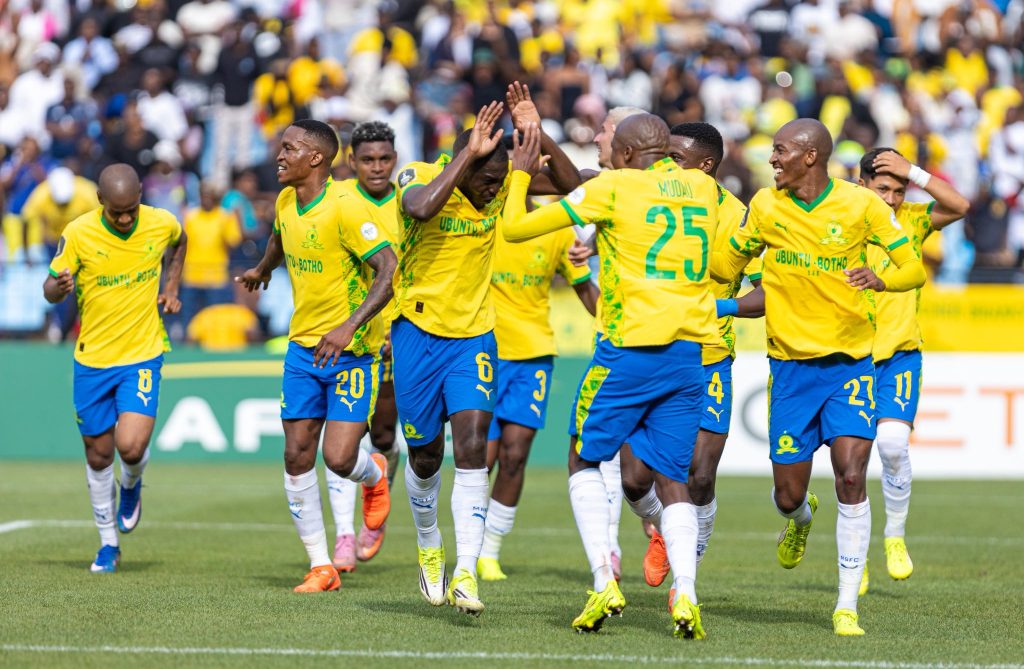
There is a degree of permanence in the manner North Africa teams dominate continental competitions at all levels—from the Africa Cup of Nations (AFCON), CAF Champions League to the CAF Confederations Cup.Such a dominance exposes underlying issues of why the game is not growing in other sections of the continent.Five North African clubs—AS FAR, RS Berkane (Morocco), Pyramids, Al Ahly (Egypt) and Tunisia’s Esperance Sportive de Tunis—have secured their CAFCL quarterfinals berths.Al Hilal Omdurman are the only East African flag bearers, Mamelodi Sundowns are Southern Africa’s sole representative with Stade Malien being ambassadors for West Africa.During last year’s Champions League edition, five teams from the North also reached the last-eight stage.Last year, North Africa produced Al Ahly, Pyramids, Esperance, AS FAR and MC Alger for the quarterfinal phase, Southern Africa had Sundowns and Pirates with Al Hilal Omdurman hoisting the lone flag for East Africa.The only slight change in the balance of power was witnessed during the 2025 AFCON finals. Five national teams from West Africa reached the quarterfinals with three being from North Africa. However, this was a once-off occurrence.Senegal went all the way to win the ultimate trophy but not before foiling Morocco’s attempts to seize the title by hook or crook.That trend has once again shown up in the ongoing CAF inter-club competitions.Such a dominance of clubs from North Africa extends to all levels, including junior and youth continental competitions.Power of World Class facilitiesMorocco earned kudos for hosting the 2025 AFCON finals flawlessly off the pitch, thanks to their world-class stadia and accommodation facilities that even the hard-to-please South Africa national team coach Hugo Broos acknowledged.“We can’t say we are unhappy with everything,” the Belgian said in January during the AFCON finals. “You can see that the hotel here in Marrakech is excellent, and the hotel in Agadir was also good. I feel more comfortable here in Marrakech. The stadiums are good, and we have no complaints in that regard.”Most countries in North Africa, including Egypt, Tunisia and Algeria, have world-class facilities conducive for football development.In contrast, infrastructure remains an eye-sore in most Central, East and Sothern African nations. At the moment, there are some questions on the readiness of Uganda, Kenya and Tanzania to host the 2027 AFCON finals.This prompted CAF president Patrice Motsepe to back the three countries’ prospects of hosting the tournament for the first time ever.Addressing the media in Kenya recently, the South African football administrator said: “I am enormously confident we will succeed in hosting 2027 AFCON in Kenya, Uganda, and Tanzania.”Talking about substandard facilities, for example, most countries in Southern Africa are either unable to host international matches at home or they do so elsewhere due to a lack of FIFA-certified venues.Namibia, Eswatini and Zimbabwe seek help from South Africa when it comes to hosting CAF and FIFA-sanctioned high-profile matches. Others such as Angola, Zambia, Malawi and the DRC can only use one home venue.However, facilities or lack of them is not the only explanation for the dominance of teams from North Africa and the lack of it from the other regions especially East and Southern Africa.Wait a minute: if having state-of-the-art stadiums was the only currency for continental football success, South Africa should have been the home of AFCON and CAF inter-club titles. Yet Bafana Bafana boast only one AFCON championship won in 1996 in a year when their rivals Nigeria were not among the participants.Up to date, only Sundowns and Pirates have won the CAF Champions League trophies. Not good enough for the only African country to have hosted the FIFA World Cup finals in 2010.Strong domestic leaguesIn North Africa, the likes of Morocco, Egypt and Algeria have invested heavily in domestic leagues making them competitive, financially sustainable and viable.Hilal Omdurman coach Laurentiu acknowledged the massive investment North African clubs such as MC Alger of Algeria have made in their squads.The Romanian was reacting to his Sudanese team’s quarterfinals qualification from a group that comprised FC Saint-Éloi Lupopo (DRC), Sundowns (South Africa) and MC Alger (Algeria).“We played against MC Alger, a team, which invested a lot of money, and they have an amazing team and fans. It is not easy to play against them, looking at the quality of the Algerian teams,” the coach said.Compare and contrast with say East and Southern Africa where a few clubs such as Al Hilal, Yanga, Simba, and Sundowns are raising the bar for their respective nations, then you have a clear picture why the North is ruling.In Tanzania, Yanga’s only competition is from Simba SC and may be Azam FC. In South Africa, Sundowns have won the Premier Soccer League (also called the Betway Premiership) title uncontrollably since 2018.High coaching standardSouthern Africa football is still trapped in a vicious cycle of worshipping on the altar of club and national team legends thinking that only they can be made coaches. It is like they think the fear of such legends is the beginning of wisdom.Most clubs in this lower half of Africa turn to their former players for coaching jobs, even when coaching is a totally different proposition compared to the actual playing career. Turning legends into coaches willy-nilly is a dying ancient practice in modern football. And North African teams have been quick to abolish that ancient tradition.The likes of Al Ahly hire only the best coaches with a minimum of either a CAF or UEFA Pro Licence. It explains why the Club of the Century isn’t coached by Wael Gomaa or Mohamed Aboutrika.In Malawi, club legends Bob Mpinganjira, Gilbert Chirwa and Peter Mgangira are managing top clubs Mighty Wanderers, FCB Nyasa Big Bullets and Silver Strikers.The focus on quality extends to recruitment of players. Unless teams in East and Southern Africa address these shortfalls, they will remain behind. The Federation of Uganda Football Associations president Moses Magogo acknowledged this fact via his x.com handle while commenting on the dominance of the teams from North Africa.“Until we do what they do, we can’t beat them,” Magogo said in a response to a tweet by Kenyan reporter Collins Okinyo.“Whereas they have strong clubs that have been there over years, they also have had: better infrastructure, quality tv production, transmission and airing, quality technical human resource BUT most importantly, funds from State-Owned-Enterprises to finance the clubs. Until we eat like ducks, walk like ducks and sing like ducks, we won’t be ducks.”For avoidance of doubt on the dominance of the giants from the North: Egyptians Al Ahly are the record CAF Champions League 12-time winners, Tunisia’s CS Sfaxien and Etoile du Sahel have won the most CAF Confederations Cup titles (four each).The Pharaohs are the record AFCON kings with seven titles in the bag…The list is endless. It is time for the rest of the CAF regions to wake up lest this trend continues to the detriment of football development in Africa.



Most Popular