Will Sanju Samson be banned from T20 World Cup semi-final against England? Former international umpire explains ICC rule
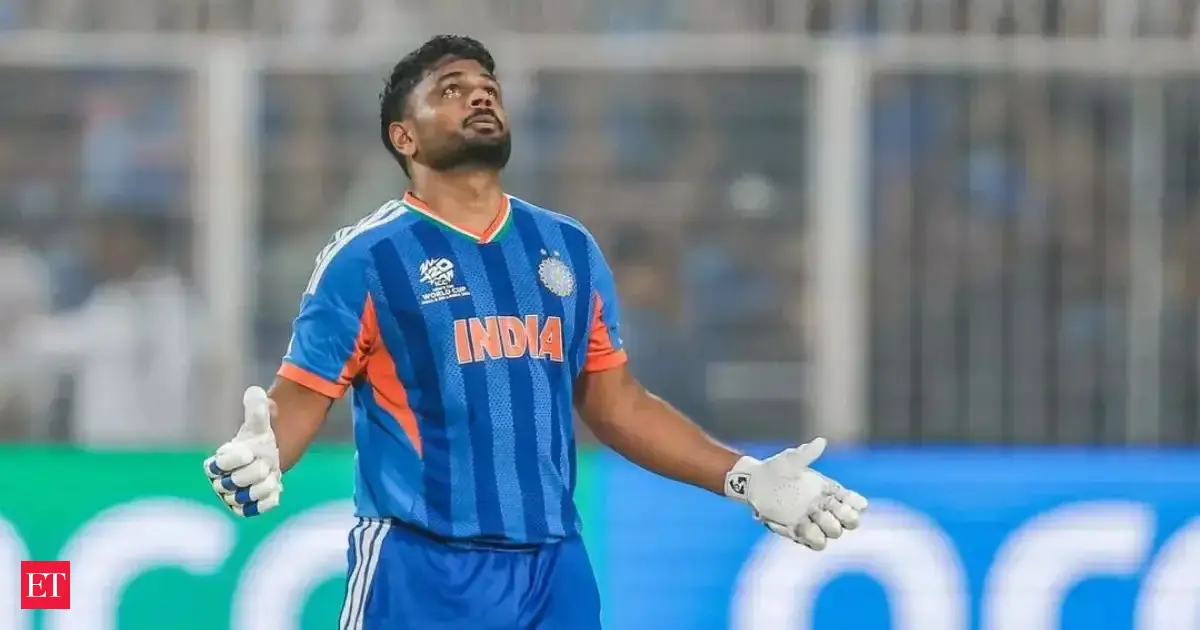
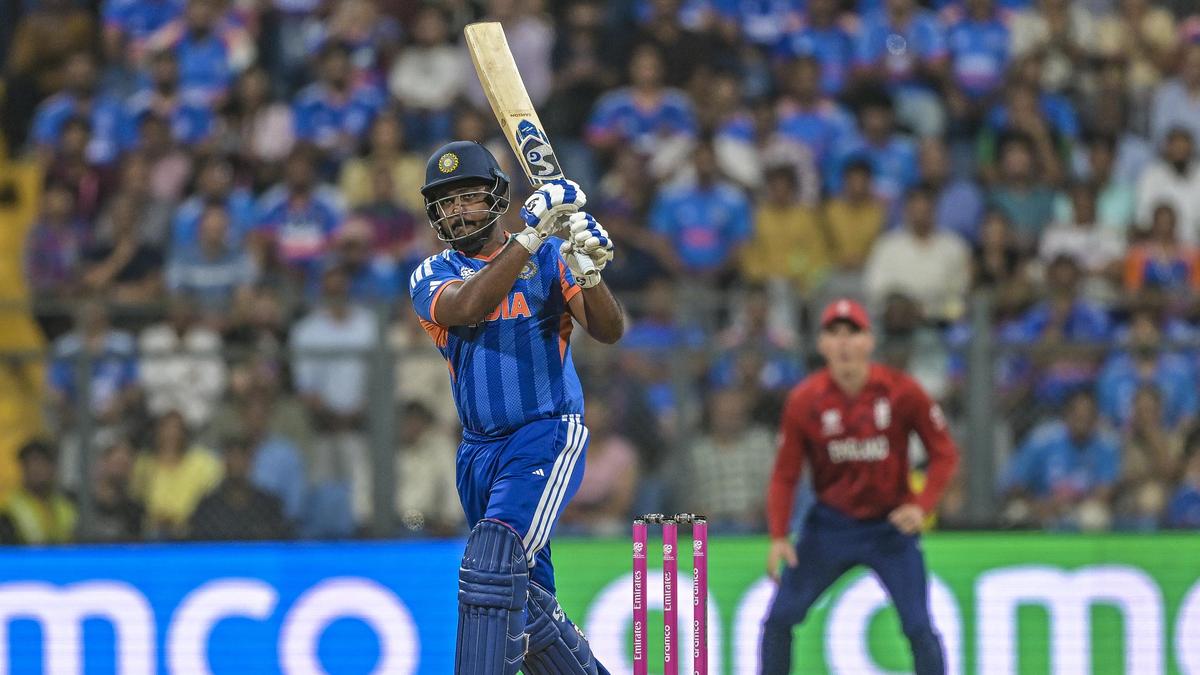
SynopsisSpeculation arose about Sanju Samson potentially missing the T20 World Cup semi-final due to his on-field celebration. Reports suggested disciplinary action for dropping his helmet. However, former umpire Anil Chaudhary dismissed these claims, stating the gesture was an emotional thanks, not equipment abuse. Such incidents typically result in fines, not bans.Will Sanju Samson miss the T20 World Cup 2026 semi-final against England because of his on-field celebration in Kolkata? The question surfaced after some reports suggested that the Indian batter could face disciplinary action following India’s win over West Indies.On Sunday, after striking the match-winning boundary, Samson removed his helmet and dropped it onto the ground before going down on his knees in celebration while offering prayer. The moment quickly went viral, with some observers pointing out that such actions could fall under the ICC Code of Conduct.Under Article 2.2 of the ICC Code of Conduct, players can be penalised for “abuse of cricket equipment”. This includes actions such as throwing or striking items like helmets, bats or stumps. The rules also consider it an offence if a player deliberately, recklessly, or negligently causes damage to advertising boards, boundary fences, dressing room fixtures, or other equipment.For instance, on February 18, Scotland’s George Munsey received one demerit point for throwing his helmet after being dismissed during a T20 World Cup 2026 match.However, former international umpire Anil Chaudhary has dismissed speculation that Samson could face a ban. According to him, Samson’s gesture was part of an emotional celebration and did not amount to deliberate damage to equipment or an act of dissent.Live EventsTypically, incidents involving equipment misuse are classified as Level 1 offences under the ICC Code of Conduct. In such cases, players are generally fined rather than suspended, especially when the act occurs during a celebration rather than out of anger or protest.The maximum penalty for a Level 1 offence is a fine of up to 50% of the match fee along with two demerit points. Match bans are rare at this level.A suspension is more likely if the incident is treated as a Level 2 offence or if a player accumulates four demerit points within a 24-month period. For instance, Harmanpreet Kaur received a two-match ban after an incident that involved both equipment abuse and public criticism of the umpires, which elevated the offence to Level 2.India are scheduled to face England in the semi-final of the T20 World Cup 2026 on March 5 at Mumbai’s Wankhede Stadium.(You can now subscribe to our Economic Times WhatsApp channel)Inside Akasa’s big plans: CEO Dube on profits, fleet orders and why 2032 isn’t the endPrashant Jain’s contrarian masterstroke: From IT exit to SBI super betBattlefields and barrels: The explosive link between war and crudeWhy Maruti chose China’s BYD over Make in India for its first EVStock Radar: GAIL stock climbs above descending trendline; time to buy after 16% fall from highs?5 stocks with consistent score improvement and upside potential of up to 26% in 1 year, according to analysts123


Most Popular


Iran v Australia: Women’s Asian Cup 2026 - live
11 hours ago