
Women's Hundred auction signals new dawn in English cricket
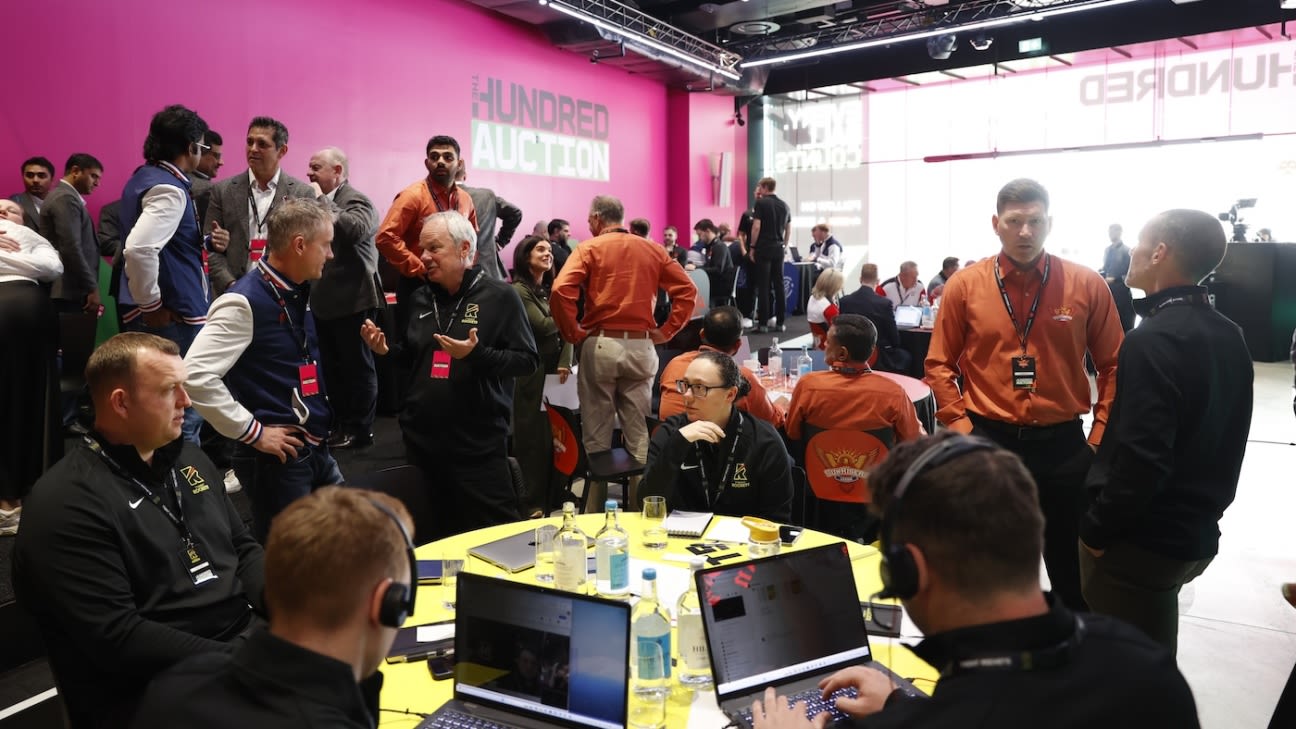
Tournament's new era begins with £4 million spent to propel the women's game further into an exciting unknownMatt RollerPublished: Mar 11, 2026, 8:49 PM (5 hrs ago)The steady stream of tourists walking past the merchandise stalls and vape shops in Piccadilly Circus were none the wiser. But in a small event space tucked away beneath the giant LED advertising screens, a six-hour auction saw newly-created franchises spend around £4 million and turn a handful of players into some of the best-paid female athletes in the UK.The Hundred's first auction marked the start of the tournament's new era. The eight teams are now franchises, owned partly or wholly by external investors after a lucrative fire-sale last spring. The money has already wiped out the debts of several counties, and Wednesday marked the players' opportunity to reap the rewards of the influx of private capital.Each team's salary cap has doubled in the women's Hundred for 2026 and now stands at £880,000; it has now pulled away from the WBBL, and is second only to the WPL in pay terms. There were several lucrative pre-signings - Lauren Bell and Nat Sciver-Brunt both agreed £140,000 contracts - but their salaries were far outstripped by the biggest buys at the auction.RelatedLisa Keightley 'disappointed' at lack of female head coaches in women's HundredAuction explainer: When is it, and how will it work?Women's Hundred 2026 auction: Devine, Mooney earn huge auction paydaysEngland women's players in Pretoria were watching in a cafe when Davina Perrin's name was the first to be read out. It felt like a significant moment when she was sold for £50,000 to Birmingham Phoenix; hours later, that sum felt like a steal. "I thought that there'd be quite a big bit of hype around her," Ali Maiden, their head coach, said. "We were absolutely delighted."Perrin later sat in a hotel room with Tilly Corteen-Coleman and Rhianna Southby, watching in growing excitement as the bidding for the young left-arm spinner ticked up and up to an eventual £105,000. "We were jumping up and down on the bed," Corteen-Coleman said, after Southern Brave brought her back for a third season. "I'm on cloud nine."It was an extraordinary moment: an 18-year-old without an international cap earning a six-figure contract to play at most 10 games in a four-week tournament. Corteen-Coleman was 12 years old when the first Hundred contracts were signed in 2019, when the best women's players in the world agreed deals worth £15,000. Her deal is worth seven times more than that.Dani Gibson was the highest earner among English players, attracting a top bid of £190,000 from Sunrisers Leeds. "I'm still in shock," she said. "I just had to have a cold shower to try and calm down, but it didn't really help… I was shaking. I was getting more and more anxious. I was just like, 'What is happening right now?'"Gibson's deal owed as much to her potential as her performance. She has not bowled competitively for a year due to a back stress fracture and managed 33 runs in eight innings as a specialist batter for London Spirit, but was seen as a hugely valuable asset. "She was our number one target, 100 percent," said Adi Birrell, the Sunrisers head coach.There were two bigger buys at the auction, with Sophie Devine and Beth Mooney set to earn £210,000 from Welsh Fire and Trent Rockets respectively. But where Devine and Mooney are experienced international players who have earned similar sums at the WPL, Wednesday's auction was a transformative moment in the careers - and lives - of several young English players.Kira Chathli, an uncapped 26-year-old batter, sold for £80,000 to MI London; Charis Pavely, a left-arm spinner with two T20I caps, went to London Spirit for £85,000. Cassidy McCarthy, a young seamer with three wickets in 10 previous Hundred matches, attracted a top bid of £65,000 from Sunrisers Leeds.There were other, more established players, who went for far less as a result of the auction's dynamics, which were exacerbated by the element of the unknown after five seasons of a draft system. The contracting model also encouraged teams to skew young, since they will have the option to retain their 2026 squad for two further seasons at the same price."It is great for the game," Meg Lanning, who will captain Manchester Super Giants, said. "Tournaments like this bring new followers and new fans to the game, so hopefully that continues to happen. There's a lot of young girls and young boys out there who watch the competition and want to be involved in it someday."According to the Professional Cricketers' Association (PCA), the total expenditure on women's cricket salaries and match fees in England and Wales in 2019 was around £1 million. This year, it will be close to £20m. "It is incredible, really," Daryl Mitchell, the PCA's chief executive, said. "There is a clear path to earning a good living off women's cricket now."Big price tags bring pressure, and the public spectacle of being auctioned off was a new and uncomfortable sensation for many players involved. In Gibson's case, Birrell said that he would lean on his experience with Tristan Stubbs, a top-earner at his Sunrisers Eastern Cape side in the SA20: "I think I counselled him quite well on that, and I'll use the same counsel for Dani.""It is part of the modern game," Jon Batty, Corteen-Coleman's coach at Southern Brave, said. "We didn't have to deal with that as players… These girls are doing something they love for a living, and there's a massive upside that they're getting paid a small fortune at the same time. The aim is to actually just protect them from their own expectations."Time will tell if the rampant wage inflation of the last five years - both in the women's game specifically, and in franchise cricket more generally - is remotely sustainable. Clearly, there are unintended consequences: a growing chasm between the highest and lowest salaries may breed resentment, for example, and plenty will have left Wednesday's auction disappointed.But if the Hundred's main purpose was to create a new revenue stream for the ECB in anticipation of a decline in the value of broadcast rights for bilateral cricket, then the tournament has also been consistent in its desire to increase participation levels, to expand cricket's reach, and to attract new fans to the sport.In the same way, even if Wednesday's auction primarily served to enrich a handful of players, there was still a secondary benefit: the transparency of their huge salaries should highlight the earning potential that women's cricket now offers, and convince talented teenaged athletes that it is not just a sport for them to enjoy recreationally, but a potentially lucrative career.Matt Roller is a senior correspondent at ESPNcricinfo. @mroller98



Most Popular
Helmot steps down as Melbourne Renegades WBBL coach
20 hours ago



Santner suffers grade three ACL shoulder injury
15 hours ago