Ironi Kiryat Shmona's resilience through wartime

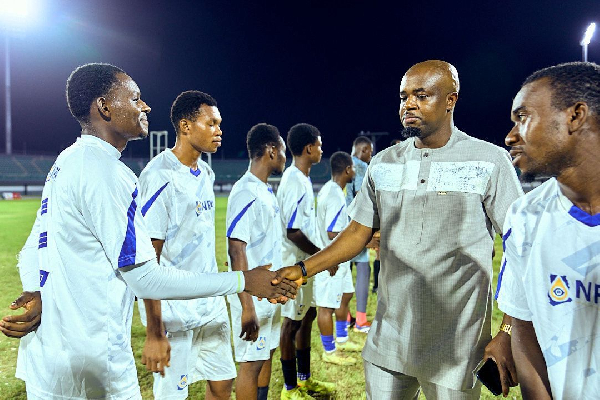
As the Israeli soccer league tried to return to some sort of normalcy, with teams beginning to train once again since the outbreak of the war with Iran, one club has no doubt suffered the most over the past few years. That team is Ironi Kiryat Shmona, which has been nomadic ever since the October 7 massacre by Hamas and the subsequent entry of Hezbollah into the conflict.Kiryat Shmona, which sits on the northern border just a stone’s throw from Lebanon, has suffered from almost nonstop rocket and drone attacks, forcing many of its residents to evacuate the city during the ongoing conflict. While the citizens of the city returned a number of months ago when a ceasefire agreement was reached, that unfortunately came to a loud and booming end when Israel and the United States launched preemptive strikes on the Islamic Republic at the end of February.Shay Barda’s squad, which has been playing in Netanya ever since the fall of 2023, has been unable to return to playing in the northern town due to damage to the pastoral municipal stadium. While many of the players and staff had lived in Kiryat Shmona over the past few months, they have now had to move back to the center of the country in order to begin preparations and train properly for the restart of the season. The league is provisionally slated to begin again for the weekend of March 21, or perhaps even a few days earlier, pending the Home Front Command’s directives.The club’s foreigners are on their way back to the Holy Land, while some remained in the country even after the outbreak of the war, as Barda begins in earnest to get the team back up and running as best as possible during these trying times.“I’ve been here for three years and unfortunately we’ve become refugees in our own country again,” Barda began just before the start of the training session that was taking place at the Israel National Team Headquarters in Shefayim.“I live in the center of the country, but until now, I was always in the north, and there is a significant difference. In the center you have a window of time between six and eight minutes to reach a protected space; in Kiryat Shmona, it’s just 15 seconds. Just when we managed to lift our heads up and dream about returning to Kiryat Shmona, unfortunately it’s not happening, but again – exactly like I said three years ago – there is a very strong staff here doing amazing work.”A soccer club with resilience“The club has resilience,” Barda continued. “Moving the team here is a whole operation, and I don’t know how we’ll manage because there are players who live in the north and are experiencing the sirens. Just like we’ve done over the past three years, we have no right to make excuses. Just as we achieved our goals in the past two years, I’m sure we’ll achieve them this year as well.”One of the team’s senior players, Yair Mordechai, who was born in Kiryat Shmona and whose family still lives in the city, shared his thoughts on the difficult situation.“The feelings are unpleasant. We felt that the date of returning to our home stadium was approaching, but now we were once again forced to move our base to Shefayim. It’s disappointing that it didn’t happen, but this is the situation in the country, and we have no right to complain when our soldiers are fighting in Lebanon.”The winger continued about how the team will be able to reach its goals as it faces major difficulties that other clubs are not dealing with.“I don’t think it should make things harder for us for the rest of the season. We lived like this for two full years. One year we were promoted from the Leumit League and the year after we had a good season in the Premier League. This is the situation; we’ll deal with it and meet our goals.”Barda knows that both the state and the Israel Football Association and League Administration will do their utmost to help Kiryat Shmona make it through this challenging situation.“We must say more than just a good word to the Football Association, to chairman Shino Zuaretz, and to the league administration whenever this situation happens. This is the mutual responsibility that exists in the nation. I assume there are people handling this, including the Ministry of Sports, and I hope it will truly be resolved. You have to understand, the operation starts with equipment managers and people who live in Kiryat Shmona and have to travel very early and make the entire trip back. This is far from an ideal situation. I’m a football coach, but I know the management is working on it, and I hope there will be a solution.”Barda also spoke about his expectations and how he sees his team being able to play its best.“I said it two years ago as well, this is the situation we found ourselves in. Three years ago it was after October 7 that we evacuated our homes and we managed to win promotion with many difficulties. Last season we had a good year even when we trained here. Whether our facility was good enough or not, in the end it was home and now we’ve been taken away from that again.”“We are not making excuses,” Barda added. “We need to know how to make the people who are sitting at home and who are being attacked with rockets happy. If I showed you the videos from the people of Kiryat Shmona and what they experience every day, it’s simply sad.”Mordechai, who is from the city, shared more insight into what it’s like to live in Kiryat Shmona right now.“For me personally it’s especially difficult because my family is still there. My parents have had some very tough nights where it was impossible to sleep; every second there were rockets and sirens. A siren caught me off guard last week at the stadium while I was working out. First you hear a boom and then there’s a siren. It’s not like in the center of the country where you get a warning and you have time to enter a safe room. In Kiryat Shmona it’s more dangerous and that’s why we can’t return there as a team. I hope this ends as soon as possible.”The head coach also spoke about what it’s like in Kiryat Shmona.“Seeing the rockets landing above the homes and the heads of the club’s people is very tough. It’s 15 seconds from the siren with no warning. But the real difficulty is for our soldiers. I want to take this opportunity to say I’m proud to be Israeli and to be a part of this country with our incredible army. Hopefully, it will end once and for all. Am Yisrael Chai.”


Most Popular