Mick Hunt obituary: Lord’s head groundsman

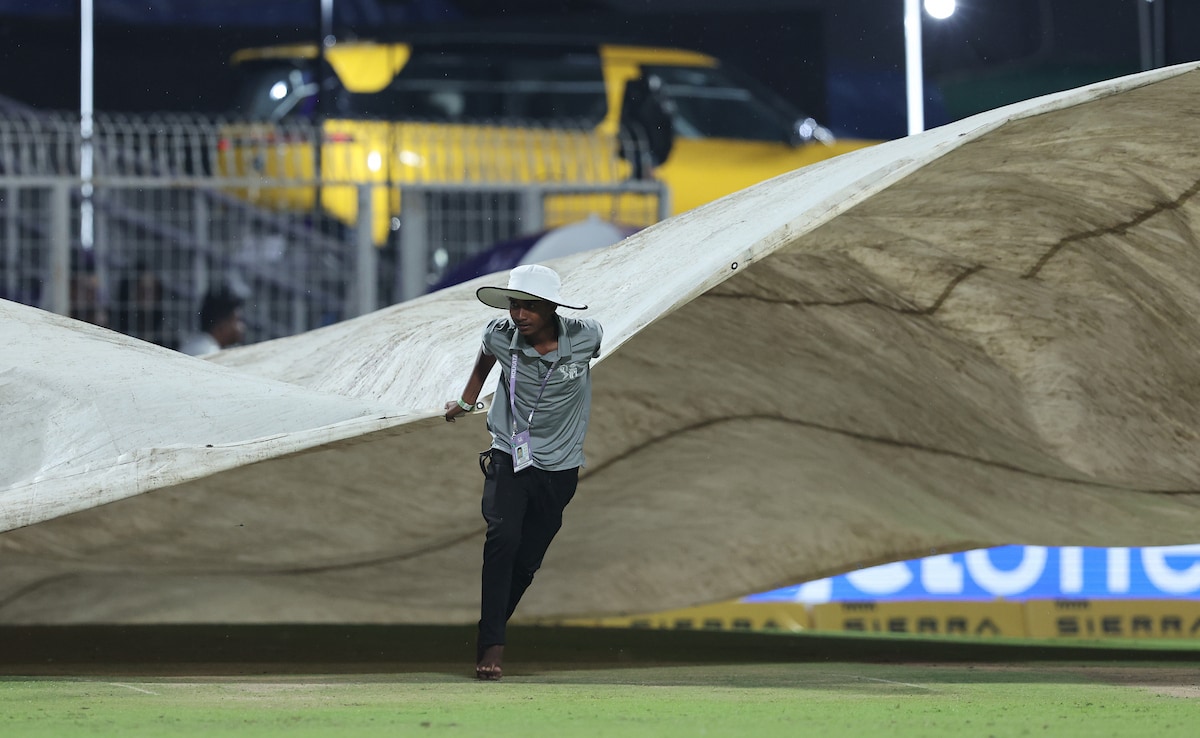
Amid the serried ranks of journalists, pundits and broadcasters leaning forward to watch the cricket at Lord’s, a white-haired figure with a tanned, weather-beaten face was looking the other way.Mick Hunt was gazing at the London horizon from the lofty vantage point of the ground’s Stirling prizewinning media centre. “I can look up at a cloud and say, ‘Hang on, lads, I don’t fancy that one. Let’s get the covers on. Often enough, it starts raining soon afterwards,” said the chirpy groundsman who worked at the “home of cricket” for 49 years, including 33 as what he called “head of grass”. He said: “My friends ask me for weather forecasts. Even if I say so myself, I don’t have a bad record.”Hunt would have spent a feverish ten days before the start of the match to prepare the pitch. His wish list included steady rain that percolates through the soil (“tap water is a lot harder than rainwater and does not seem to get the penetration into the soil”), followed by rollers to compact the soil, followed by warm but overcast days to dry the pitch out, followed by “proper sunshine” to finish the pitch off. “It’s like baking a cake; that last blast of heat finishes the top off nicely, making for a really good playing surface.”The gods seldom obliged Hunt, but he deployed various trade secrets to ensure that the Lord’s pitch still looked immaculate on match days, maintaining its integrity in days one, two and three and starting to break up a bit on days four and five to give the bowlers a better chance and ensure an absorbing climax.From April to September Hunt would spend up to 14 hours a day on Lord’s hallowed turf, periodically retiring to his caravan at the ground for a well-earned cuppa. Beleaguered England captains had been known to pop in for a conspiratorial conference if they felt they needed a “helping hand” to prepare a pitch that suited their team. Hunt would gently refuse with a broad smile and a quip. “Players will ask, ‘Has your lawnmower broken down?’ That means they want more grass off it. Or, ‘Is there a restriction on water?’ Because they think it’s too dry.” Hunt simply said that he tried to prepare a pitch that would ensure an even contest between bat and ball and good entertainment for the paying public.His most challenging day was a Test match at Lord’s between England and West Indies in which some 20 wickets fell in a single day. Just as Hunt was about to face a “baying press pack”, the retired West Indian legend Viv Richards — who one might have thought would speak for the batsmen’s union — sprang to Hunt’s defence: “What you talking about, man? Mick has just prepared one of the best pitches I’ve ever seen in this country. It’s got pace, it’s got bounce.” Hunt later said: “I’ve got a soft spot for Viv.”During the England v India Lord’s Test in 2008 a biblical storm looked to have ended that day’s play early. “It was real Armageddon stuff. Everyone worked like mad with the surface mopping machines. We had the teams back out an hour after the rain had stopped. People had headed home, turned on the telly and saw live cricket from Lord’s, and somehow it was my fault!”Hunt, a stocky figure, was named world groundsman of the year in 2012. Lord’s had been used for the archery competition at the London Olympics, during which he had hardly endeared himself to some of the more pompous officials of the British Archery Association by calling the sport “rich man’s darts”. Hunt returfed nearly a third of the outfield that had been damaged by temporary stands. Twelve days later England played a Test against South Africa on a surface looking as pristine as ever. South Africa won a thrilling match that went to the fifth day.Michael John Hunt was born “a stone’s throw from Lord’s” in 1952 to Cliff, a telephone engineer, and Jean Hunt. At Quintin Kynaston school in St John’s Wood, Mick played cricket as a wicketkeeper. Realising he was not good enough to be a professional, he decided that being on the groundstaff was the next best thing. He found work at Lord’s in 1969 as a “fetcher and carrier”, sweeping up and picking up cushions at the end of a day’s play. He worked his way up to “chief fetcher and carrier” and was appointed head groundsman in 1985 after the retirement of Jim Fairbrother.Hunt, who is survived by his wife, Rose, a nurse, and their daughters Karen and Joanne, and sons Kieran and Paul, retired in 2018 after preparing pitches for 81 Test matches, more than 80 men’s and women’s limited-overs internationals (including eight World Cup finals across formats) and countless county fixtures for Middlesex. He had loved the job but would not miss the scrutiny. “I had one guy jabbing his finger at me and saying in all seriousness, ‘What are you going to do about this weather?’”His only regret was being too busy to watch much cricket, something he was determined to put right in retirement. One thing he would not be doing was tending grass, not even in his own back garden. “I concreted it over.”


Most Popular