
Favourites, not flawless: Early matches show that Team India’s attacking doctrine may require recalibration
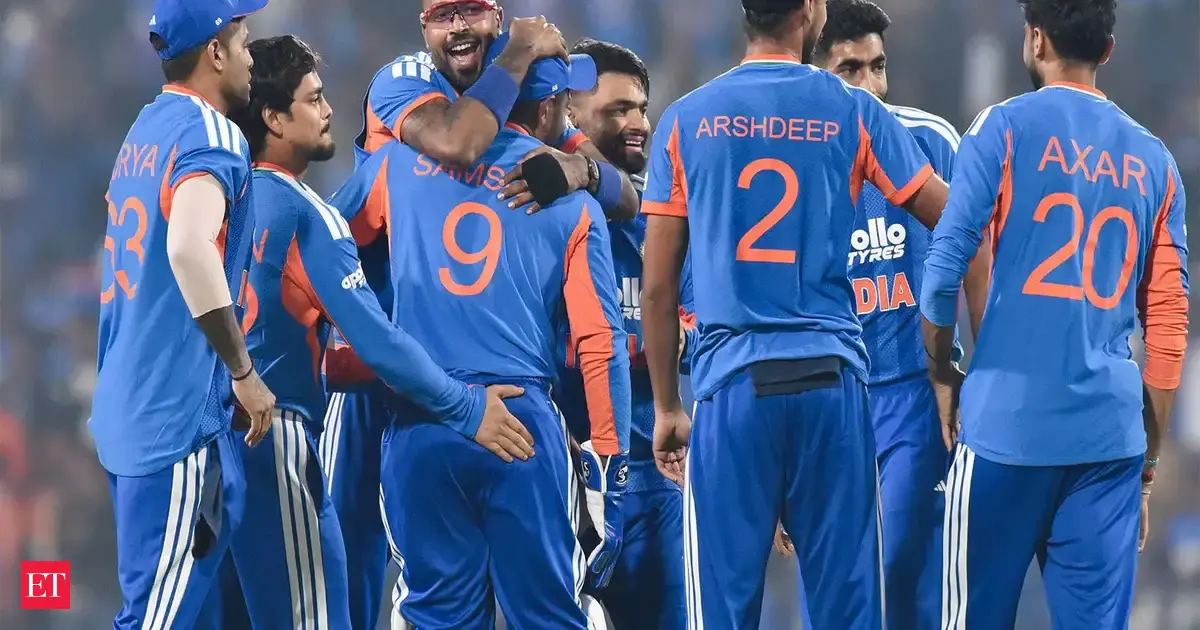
SynopsisIndia and Pakistan face off in a T20 World Cup clash. India's powerful batting lineup faces a challenge from varied bowling conditions. Pakistan also experienced early scares. Both teams are adapting their strategies. India's batting depth and Pakistan's spin attack will be key. The match promises an intense contest as neither team can afford complacency.As the sun set on the Premadasa Stadium in Colombo, painting the sky in brilliant shades of orange, Pakistan’s cricketers were in the middle of a practice session. They were preparing for a match that their government, not long ago, insisted the team would not take the field for.At the same time, the Indian team were readying to fly to Sri Lanka. Until last week, India’s finest thought Suryakumar Yadav would be going to the toss merely as a formality, with his Pakistani counterpart not joining him there.And then, just like that — after some serious behind-the-scenes parley — it was match on once again.The build-up to the T20 World Cup has been all about India’s batting might. This is a scary line-up, for sure, easily the most destructive India has ever assembled in the shortest form of the game. Talent and skills apart, what has made this Indian team especially fearsome is the mindset with which they play. There is almost no hesitation, there’s no diffidence, there’s no looking to consolidate; this is a pack of batsmen who have been let loose on the world with the license to attack.Then came India’s first match, at the Wankhede Stadium, where the USA’s bowlers made the most of conditions that had just enough for the bowlers. The ball stopped and came, turned a touch and plonking your foot and hitting through the line or on the up was no longer an option. Batsmen who committed to strokes too early only found fielders in the deep.Live EventsFor a time, it looked like these were soft dismissals. But, in truth, it was smart bowling allied with very specific plans for each batsman. USA, with even their limited bowling resources, did the rest of the tournament a huge favour in showing that this Indian batting line-up could be muzzled.India’s depth and adaptability, led by Surya, meant that they still had enough to get over the line. But the match showed that India could be beaten, as long as the match was not a shoot-out between two batting lineups on a flat deck.Pakistan will certainly have taken notice. In their first match of the tournament, Pakistan were also given an almighty scare by the Netherlands, but that was an 11am match at the Sinhalese Sports Club. The pitch had a bit of grass on it, good carry and the Dutch seamers came into play.In their second game, Pakistan used five slow bowlers against the USA. A wide variety of spin was on display, and the game was in the bag easily. Come Sunday, Pakistan will play at the Premadasa Stadium for the first time this tournament and the conditions there will encourage them no end.While the pitch has been watered and rolled as much as possible, it is not one where 200 is easily scored in T20 cricket. It is a pitch on which batsmen have traditionally had to grind hard, as Australia found out against Zimbabwe, crashing to a 23-run loss.India’s batsmen and coaching staff have already acknowledged that some course correction is in order. This is not to say that the batsmen who can take on the game will hold back. And chief among them is Abhishek Sharma, whose stomach bug has caused a real headache for the management. A lot of the batting strategy was built around Abhishek’s mindboggling aggression and consistency at the top of the order. Sanju Samson, who replaced the unwell Abhishek, is no slouch with the bat, but he will not inspire the same fear in opposition bowlers.India will also be tempted to look at Washington Sundar, who has reportedly recovered from a side strain that kept him out of action. Washington’s off breaks will add to India’s slow bowling stocks that are already well served by Varun Chakravarthy and Axar Patel. India have Kuldeep Yadav in their ranks, but this team’s affinity for batting depth means Washington starting against Pakistan is a real prospect.The Indian team, fresh from their win against Namibia, will wait until the last moment to decide how to tweak their combination. They were scheduled to have a practice session under nights on Saturday, and you can be sure coach Gautam Gambhir will be the first to arrive to take a look at the pitch.Given their track record, India still start as overwhelming favourites. But there will be no complacency in the ranks. For many, the first round of this tournament was seen as only perfunctory, ensuring safe passage for the “big teams” to the Super 8s. But there are already enough indications that taking things for granted could leave you redfaced. Neither India nor Pakistan will make that mistake.(You can now subscribe to our Economic Times WhatsApp channel)(Disclaimer: The opinions expressed in this column are that of the writer. The facts and opinions expressed here do not reflect the views of www.economictimes.com.)A tale of two events: How IndiGo-Air India power balance changed in 6 monthsCan the India-US trade deal alone arrest rupee’s downfall?Saurabh Mukherjea’s long walk through the quality cycleHow the ‘barbaric relic’ turned boon for millions of SMEs in IndiaStock Radar: Jindal Steel stock breaks out from Saucer formation to hit fresh record high in February 2026 – time to buy?These mid-cap stocks with ‘Strong Buy’ & ‘Buy’ recos can rally over 25%, according to analysts123



Most Popular



Celtic Legend Backs Iheanacho for Decisive Title Push Role
58 seconds ago