Impact Sub reduced to survival tool for DC

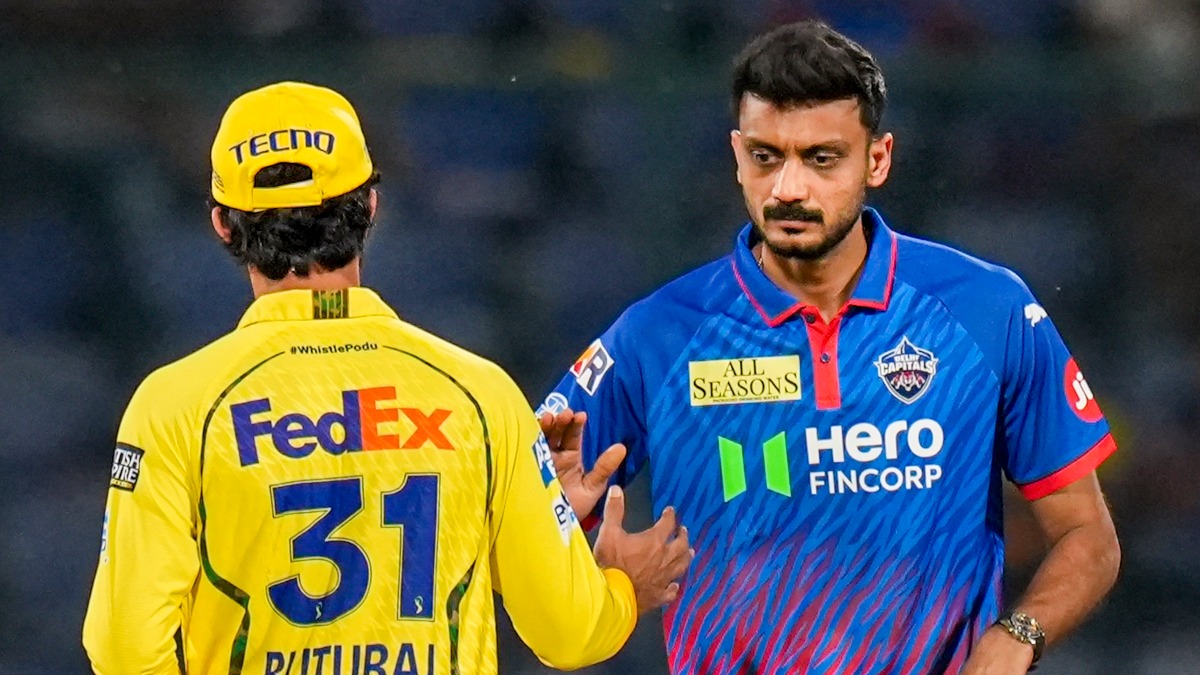
Against RCB last week, on a wicket that had some bite in it, the hosts collapsed to 8 for 6 and ultimately posted just 75. Against Chennai Super Kings on Tuesday, Delhi found themselves cornered again at 69/5 after 11 overs on a surface that was a touch sticky.On pitches that demanded assessment, those early collapses stripped them of the luxury of controlled aggression. Instead, what followed was immediate correction through caution and consolidation. In both situations, the Impact Sub no longer remained a tactical weapon but became a means of survival. Unsurprisingly, Delhi subbed in an extra batter each time, and to their credit those reinforcements delivered. Abishek Porel made 30 out of his team's 75 against RCB, while Sameer Rizvi, facing his former side, top-scored with a brisk 40 off 24 to give the Capitals' attack something to work with.While 75 offered little for the bowlers to defend, the 155 against CSK was a more competitive total - one that could have set up a strong challenge given the conditions, had Delhi possessed the bowling depth to back it up. However, in getting to 155, they exhausted the Impact Sub option, leaving the legspin of Vipraj Nigam on the bench and thereby thinning their attack on a day where most slower bowlers thrived.This wasn't an isolated incident. Delhi's combination issues have become increasingly convoluted. They started the season with three overseas batters - Pathum Nissanka to accompany KL Rahul at the top of the order, and the versatile South African middle-order duo of David Miller and Tristan Stubbs - that lent the batting order a semblance of stability unlike the previous edition. This was to go alongside a lone foreign seamer, which happened to be Lungi Ngidi till Mitchell Starc worked on procuring his NOC back home.However, this was heavily contingent on the Indian seam department doing the heavy lifting - a plan that quickly went south. Their home ground, which should have been an advantage, had already turned into a structural weakness. By the time DC could activate Plan B, of including two overseas seamers, batting insecurities resurfaced too. In reallocating their foreign assets across the two departments, Miller became the unfortunate collateral in the compromise, further depleting the experience from an already shaky batting order.Nissanka may have validated his inclusion over Miller with a match-winning fifty on comeback but he too is among the batters who have been either boom or bust throughout the 10 outings so far. The numbers are damning. DC have lost 21 wickets inside Powerplays in IPL 2026 with the average runs per wicket at 23.85. Their run-rate is 8.35 in this phase and a high dot-ball consumption of 46.4 per cent. Among the 10 teams in the competition, Delhi have been the worst side on each of the above four parameters.Tactical missteps along with this have compounded their woes. In a batting-first XI, Delhi's options effectively ended at no. 7 which included skipper Axar Patel who hasn't scored in double-digits before or since the 26* in Bengaluru three weeks ago. Leaving Rizvi as a contingency option felt harsh given his strengths against spin. Porel, too, had shown enough to warrant a longer rope. At 69/5, was it worth using the Impact Sub immediately instead of trusting Ashutosh Sharma? That call ultimately forced a compromise on the bowling front.Against a five-bowler attack, CSK's Sanju Samson was happy to bide his time against the best, which happened to be Ngidi and Axar on the night. And then he laid into the rest, expertly pacing the chase where the asking rate wasn't astronomical anyway. Limited by options, Delhi's plan became predictable and the likes of Kuldeep Yadav and T Natarajan were easy to line up.In a competition where the Impact Player is designed to offer tactical flexibility, Delhi lost theirs when the top-order failed, not for the first time this season. The choices disappeared, and with them, any real control. Head coach Hemang Badani summed it up bluntly. The game, according to him, was effectively lost in the first-10 overs itself. "The bottom line is we have to play good cricket. We can have multiple conversations about a lot of permutations and combinations, but the end result is when you play good cricket, these things just fall in place," he offered after the eight-wicket defeat.At eight points from 10 games, Delhi have hit the virtual knockout phase where every game becomes a do-or-die. With little margin for error left in the season, the focus has shifted from combinations to collective execution. Badani demanded more from his unit."Collectively, we have to play better. When we we're bowling well, the batting didn't click that day. If we're batting well, the bowling has been a bit poor."At the end of the day, it's about everyone turning up. I won't single out a specific department that has done badly or poorly, but it's more the case that you want at least 60-70% of your men turning up on a given day. That has been missing. If we can try and get that in the next few games, we should be okay."It's crunch time for us. We all recognize that. Everyone understands that in the dressing room and the dugout. Everyone knows that this is where we are now. It's as simple as just perform or perish."


Most Popular