Windrush and the rise of wandering Caribbean cricket clubs that fuelled talent in English game
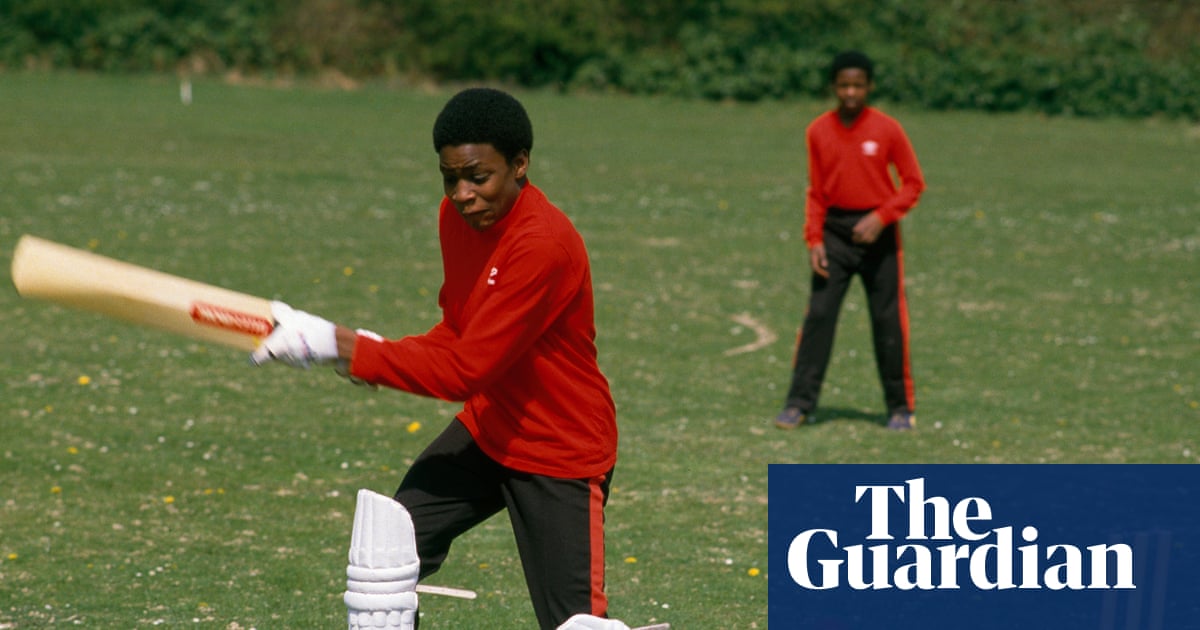
In the early 1980s there were scores of “Caribbean” cricket clubs playing across England, many of them bearing evocative names such as New Calypsonians, Island Taverners, Paragon, Starlight and Carib United.Mostly these clubs operated under the radar – as wandering sides renting pitches on municipal grounds that were outside the traditional league structures. With few physical records of their existence, their history has been in danger of being lost as numbers have plummeted since the late 1990s.Thankfully, though, there are at least a few people dedicated to documenting the players and personalities who made up such a vibrant part of the domestic game from the late 1940s. And now there’s a new book, Windrush Cricket, by the University College London associate professor of history Michael Collins, setting out their origins and impact.Collins’ writings have emerged out of the UCL-sponsored Windrush Cricket Project, which has in turn spawned the Caribbean Cricket Archive, a database recording all the Caribbean clubs that have existed in the UK since the creation of the first recognisably West Indian team, Leeds Caribbean CC, in 1948.So far the archive has logged 130 clubs, from Cowley West Indians in Oxford and Brixton Beehives in London to Mead Brooke Cavaliers in High Wycombe and West Indian Carib in Nottingham. They’re all in England, but there are more to be mapped, and others may emerge in different parts of the United Kingdom.Collins is not sure if the project will ever log all the clubs that existed, but his research suggests the figure on the database may rise to 150 or more, and he adds that “what we can say with certainty is that by the 1980s the Windrush generation had evolved a vast structure of black cricket clubs and black Caribbean cricketing talent”.It was this framework that fed into the emergence of many of the first black cricketers to play for England – among them Devon Malcolm from Sheffield Caribbean, David Lawrence from Bristol West Indians and Michael Carberry from Old Castletonians in south London.Collins argues that West Indian cricket clubs were, in fact, one of the main vehicles that allowed people of Caribbean origin to try to win themselves a foothold in British society from the 1950s to the late 1990s.Formed partly as a response to the hostile environment of existing teams throughout the land, he says that for new arrivals to the country they acted not just as a safe space to play the game but as hubs for “self-help, support services and the development of social capital”, while for subsequent generations, born in the UK, they were often a refuge from racism in multiple spheres.Since the late 1990s, however, the number of Caribbean clubs has dwindled dramatically, partly due to societal factors but also thanks to the decline in prowess of the West Indies Test team, which once drove interest in the game among young black Britons.Sadly, Collins concludes that there’s no way back, and that the numbers are unlikely to rise again. But at least he and others have begun to put together a historical record that helps us gain a better appreciation of the contribution such clubs made to the game.

Most Popular