Morocco and Egypt have made it through… Arab teams are in serious trouble at the World Cup because of Trump!
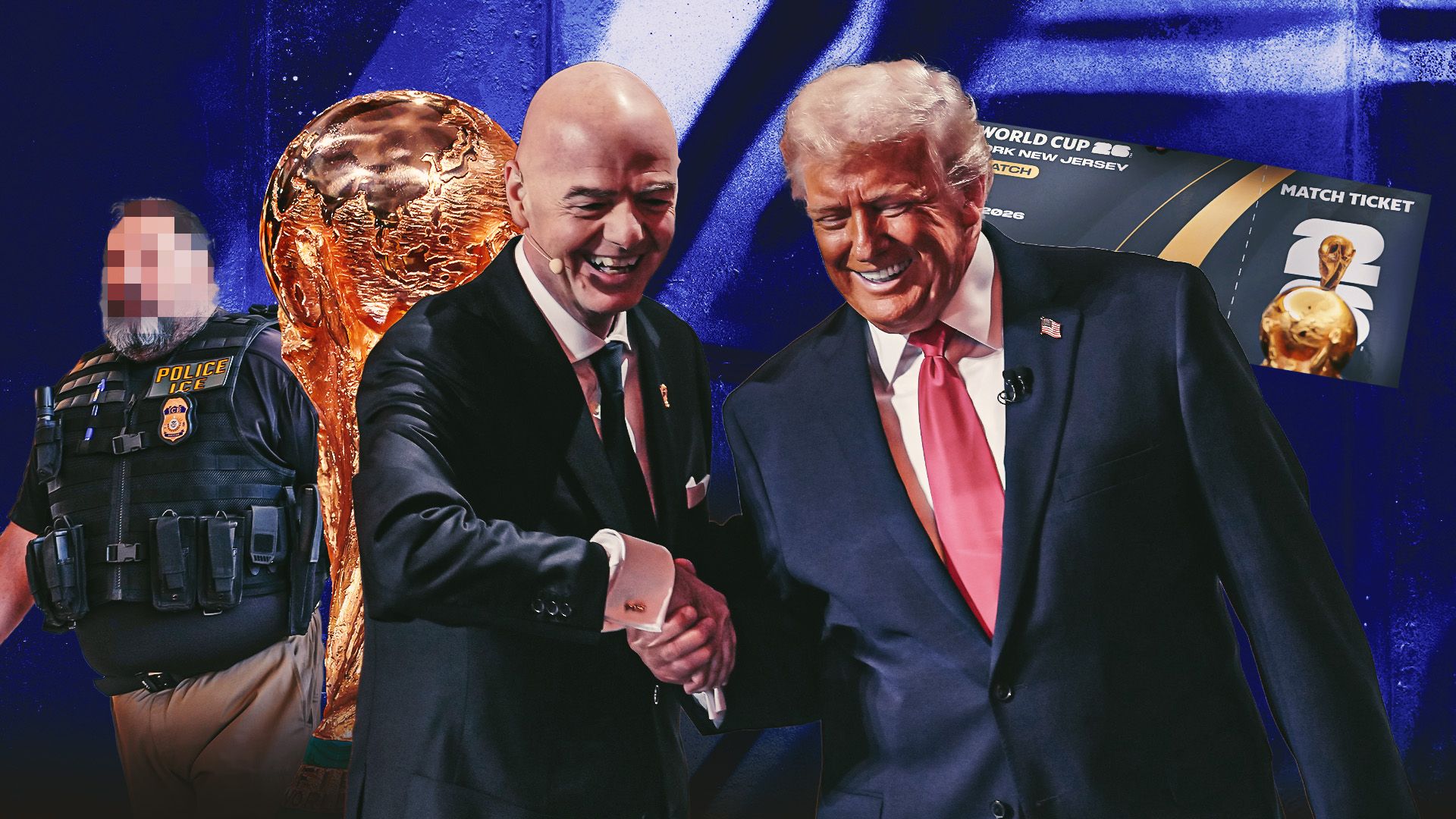
With less than three months to go before the opening match between Mexico and South Africa on 11 June at the Azteca Stadium in Mexico City, preparations for the 2026 World Cup remain incomplete.Although the tournament will feature 48 teams for the first time in history, it will not be economically equitable for all participants, due to the absence of comprehensive tax exemptions that could have been approved by the administration of former US President Donald Trump.According to the British newspaper The Guardian, the majority of qualifying teams will be forced to pay US taxes on the prize money awarded by FIFA, due to the absence of a comprehensive tax exemption agreement.FIFA, under the leadership of Gianni Infantino, has allocated substantial financial rewards to the participating teams, totalling over €620 million; however, some federations will be subject to double taxation: once in the United States and again in their home countries.The world is heading towards the World Cup at two different economic speeds: the first involves the federations that will not pay tax to the United States, and the second includes the rest, which will bear additional financial burdens.As is the case with FIFA, which has enjoyed tax exemption since the 1994 World Cup, only 18 out of 48 nations will receive their full prize money without tax deductions, thanks to bilateral agreements with Washington.According to The Guardian, these countries mostly include European teams such as England and France, as well as the three host nations (the United States, Canada and Mexico); outside Europe, there are Australia, Egypt, Morocco and South Africa.Smaller teams pay the priceIn contrast, smaller federations such as Curaçao and Cape Verde, both participating in the World Cup for the first time, will be forced to pay US taxes.The same applies to South American giants such as Brazil and Argentina, which do not have tax agreements with the United States, meaning that part of their prize money will go to the US Treasury.The Guardian explained that the tax exemption granted to federations and coaches does not extend to players, as US law treats footballers in the same way as artists, requiring them to pay tax as soon as they carry out their activities on US soil.Consequently, the stars of the French national team, led by Kylian Mbappé, will be subject to double taxation on the prize money they receive during the tournament, unless the French Football Federation covers the difference.This complication could have been avoided had the Trump administration granted a blanket tax exemption to all participating teams, as Canada and Mexico did for the teams playing their matches on their home soil.However, the absence of such a decision has made the 2026 World Cup – which is expected to be the largest and most profitable in history – an economically unequal tournament for the teams, with some receiving the full prize money whilst others will see a significant portion deducted for US taxes.



Most Popular

.png)